
Residential Rehab at Abbington House
From the team
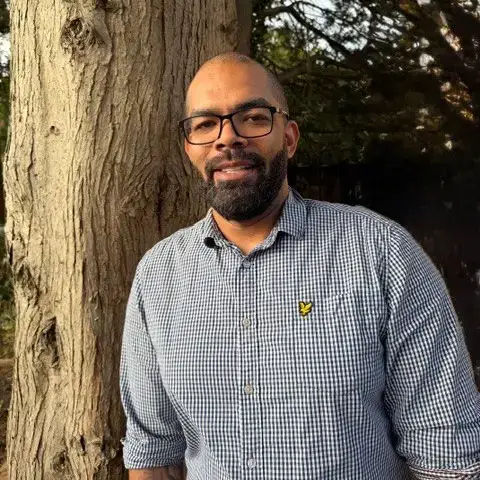
Michael Williams
What happens when you arrive
By the time you arrive at Abbington House, we will already have a clear picture of your current situation and any immediate needs from the assessment completed before admission.
The first few days are usually about settling in. You’ll meet the team, get familiar with the house, and have time to adjust. Where detox is needed, this begins under medical supervision within the house from the start, while people who do not require detox can usually begin therapeutic work sooner.
There’s no expectation to talk about everything straight away. Most people need a little time before they feel ready to fully engage, and the early part of treatment accounts for that. The initial focus is usually on stability, routine and helping people settle enough to begin engaging properly in the work.
Who is residential rehabilitation for?
Who is residential rehabilitation for?
Many people arrive at residential treatment after trying to manage things alone for a long time. They may have tried cutting down, switching substances, setting rules for themselves or promising that things will be different next week. By the time someone begins considering rehab, the pattern has often been running for longer than they expected.
Alcohol or drug use may already be affecting stability, relationships, work, physical health or mental health. In some cases, people are still managing outwardly while privately feeling exhausted by the effort it takes to keep everything contained.
Residential treatment is designed to create enough distance from that environment for things to change. Living away from the day-to-day pressures, routines and triggers connected to substance use allows space for treatment, therapy and support.
At Abbington House, we support people through drug rehab, alcohol rehab, and dual diagnosis treatment within a single residential stay.
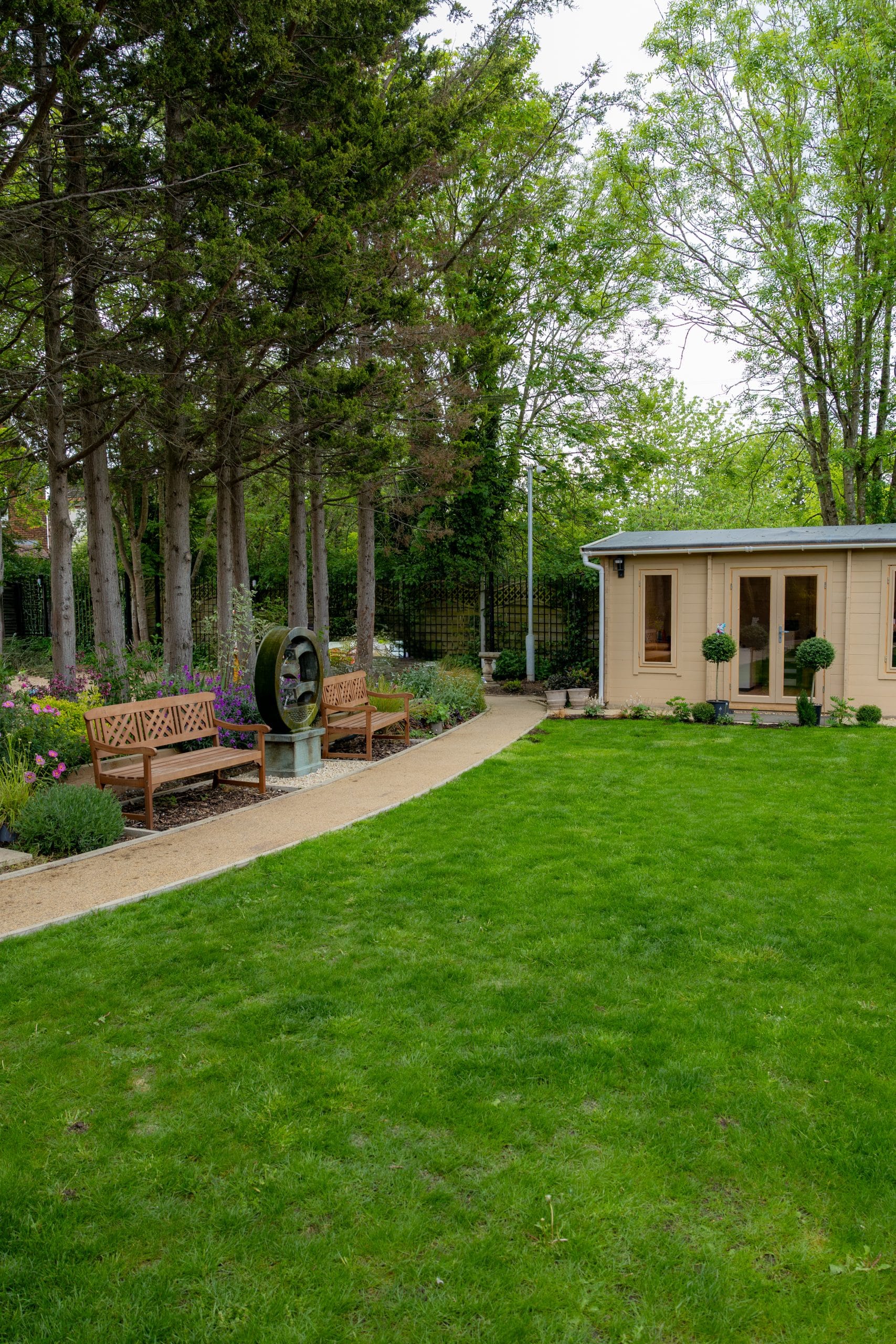
Treatment takes place within a private residential setting in Hertfordshire, where therapy, structure, and day-to-day support happen together throughout the stay.
What daily life looks like
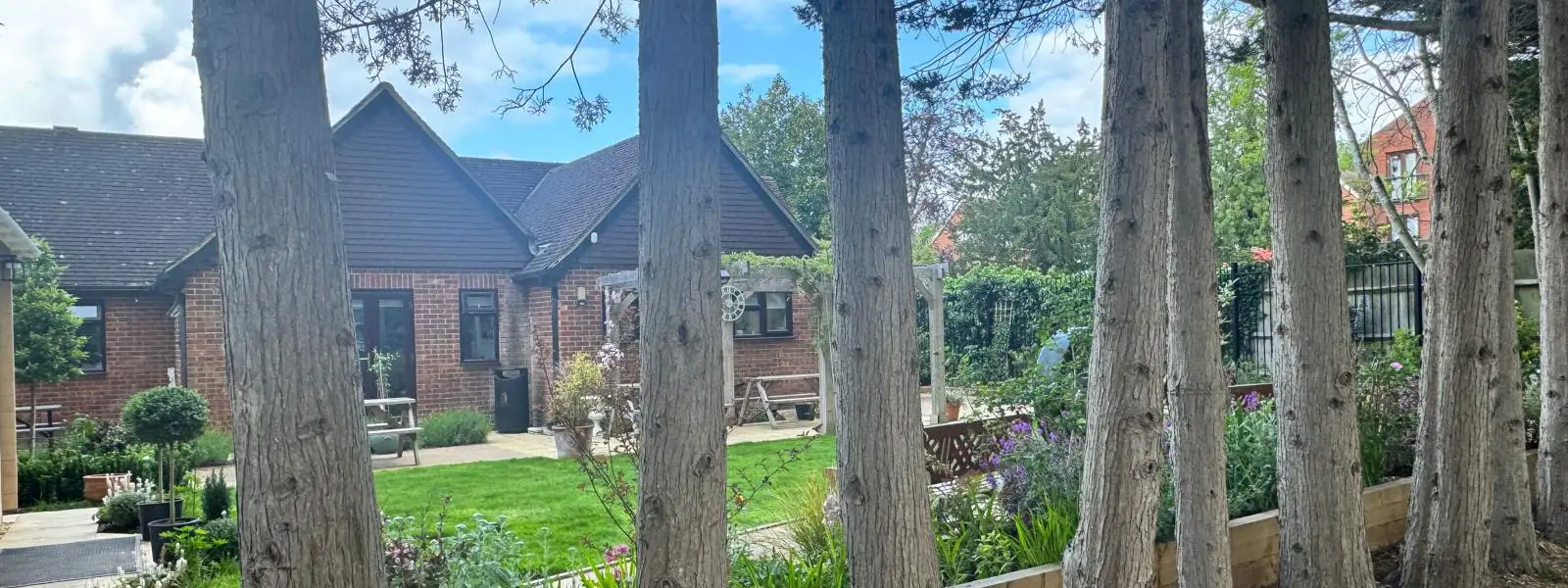
Residential rehab is structured, but it isn’t rigid. Days have rhythm — therapy, meals, reflection, shared time — balanced with space to rest and settle. You’re not navigating recovery alone. You’re part of a small group moving through similar work at different stages.
The programme is delivered by a team whose understanding of addiction comes from both lived experience and professional training. That shapes how sessions are run, how people are supported between sessions, and how progress is understood.
We keep numbers small — no more than twenty-one people at any time — so that treatment can stay responsive rather than procedural. Where someone’s needs are different, whether that’s neurodivergence, trauma history, or simply how they process things, the programme adapts rather than expecting them to fit a fixed structure.
What the programme includes
Residential rehab combines therapy, daily structure, practical support and preparation for life after treatment. The elements below form the core of that process.
Medically Supervised Detox

Medically Supervised Detox
Therapy

Therapy
Therapy is the core of residential treatment. During your stay, you'll take part in regular one-to-one and group sessions focused on understanding the patterns behind substance use. The work is practical and reflective. It helps you recognise triggers, build emotional awareness and develop healthier ways of coping beyond treatment.
Food & Nutrition

Food & Nutrition
Regular meals are part of the structure of residential rehab. Addiction can disrupt eating patterns, sleep and physical wellbeing, so restoring consistency matters. Meals are prepared on site and adapted to individual dietary needs, helping rebuild routine and support physical recovery alongside therapeutic work.
Activities & Leisure

Activities & Leisure
Recovery isn't only about therapy sessions. Structured activities and time outdoors are built into the week, offering space for movement, connection and routine. This might include gym sessions, group activities, or time in the garden. The aim is to reintroduce healthy habits and balance into daily life.
Holistic and Wellbeing

Holistic and Wellbeing
Residential treatment also includes sessions that support emotional and physical regulation. These approaches work alongside therapy, helping reduce stress, improve awareness and reconnect you with your body.
Aftercare & Abbington Community

Aftercare & Abbington Community
Residential treatment does not end at discharge. Everyone who completes treatment is offered one year of structured aftercare, providing continued support as they transition back into daily life. Beyond aftercare, people have lifetime access to the Abbington Community — events, gatherings, and ongoing connection with people who understand what recovery involves.
Involving Family in the Process
Addiction rarely affects only one person. Where appropriate, family sessions form part of treatment. These sessions run for 16 weeks and focus on communication, understanding patterns and rebuilding trust. They also help loved ones understand the recovery process and the boundaries needed to support it.
Length of stay and progress
One of the most common questions about residential rehab is how long treatment lasts.
At Abbington House, treatment is typically structured around 28 days. This provides time for stabilisation, therapeutic work, and preparation for what comes after treatment. Some people stay longer where more time feels useful or clinically appropriate.
Length of stay is reviewed throughout treatment rather than decided rigidly in advance. Decisions are guided by progress in therapy, emotional stability, practical readiness, and what feels clinically appropriate. You can read more about how length of stay works.
Progress looks different for different people. For some, it means stability. For others, understanding patterns, rebuilding trust, or feeling more able to manage everyday life without substances.
How the team works
Abbington House is led by people who’ve lived through addiction. That shapes how things are approached here. It means the team understands what people are dealing with from direct experience.
Clinical decisions are made by qualified professionals. Day-to-day support is delivered by a team that combines clinical training with lived experience. That combination means people feel understood as well as properly cared for.
You don’t need to arrive with everything figured out. Most people don’t. What matters is that you’re here, and that the team around you knows what this takes.
Taking the Next Step

Taking the Next Step
If you want to understand more about residential rehab, or whether treatment feels appropriate, we can talk things through.
We can explain what treatment involves and answer any practical questions about staying at Abbington House. You can also read more about how private rehab works.