Benzodiazepine Detox
If you’re thinking about coming off benzos, one of your biggest concerns might be how quickly you’ll be expected to reduce them.
01438 583222
- Michael Williams
Coming off benzos here
Perhaps you’ve been taking diazepam for years. You’ve thought about stopping before, but every time you’ve looked into detox, you’ve worried about whether you’ll be able to cope with the reduction.
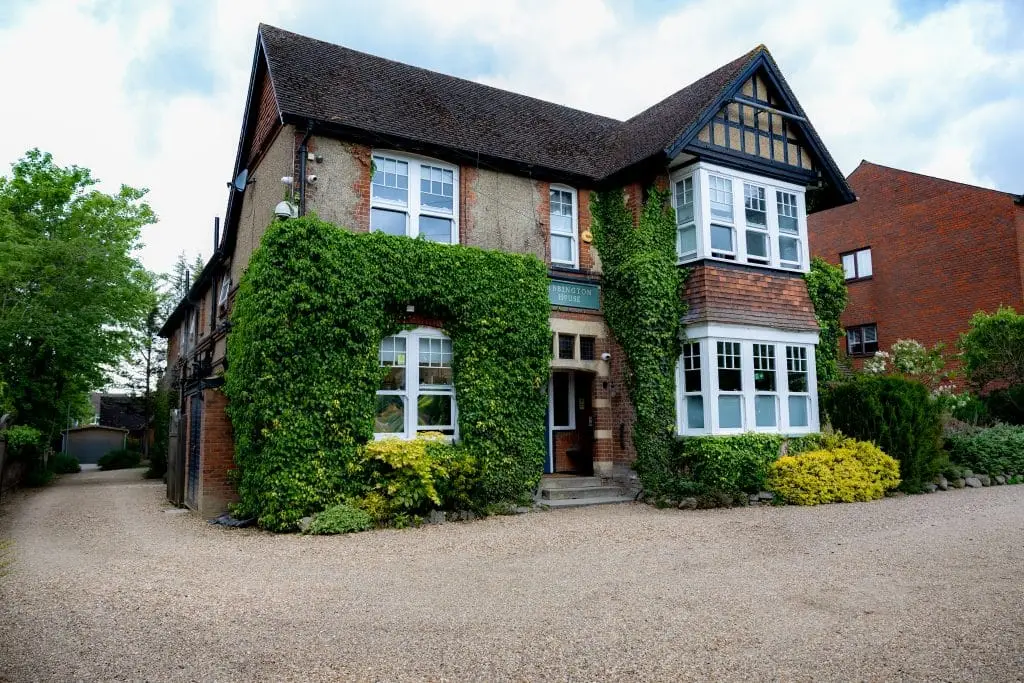
At Abbington House, we provide private residential drug and alcohol treatment in Stevenage, Hertfordshire. Benzodiazepine detox, where clinically appropriate, involves a medically supervised reduction rather than expecting someone to stop their medication all at once.
The pace needs to take into account how you’re responding. There isn’t a single reduction schedule that will suit everybody, particularly when someone has been taking benzodiazepines for a long time.
You can read more about our wider detox treatment, or visit our guide to benzodiazepine withdrawal if you want to understand what withdrawal may involve.
If you're afraid of being made to stop too fast
- You won't be the first person to worry about being rushed through a benzodiazepine reduction.
- You might have tried reducing before and found it much harder than expected. Perhaps your GP suggested a reduction that you struggled to manage, or you felt you had to return to your previous prescription because things had become too difficult.
- Experiences like that can make the thought of another attempt frightening. And if you've spent years relying on medication to manage anxiety, sleep or another health problem, there's also the question of how you'll cope without the amount you're used to taking.
- At Abbington House we take those concerns very seriously.
- A previous reduction that didn't work out is useful information for the clinician planning your care. It gives them something to discuss with you rather than treating your previous attempt as a failure.
- Under UK prescribing principles, benzodiazepine reductions should be individualised, with the person's response considered throughout. A planned reduction may need to be adjusted if someone is struggling, rather than following a fixed schedule regardless of how they're feeling.
- At Abbington House, medication decisions are made by our on-site prescriber, and reductions can be slowed, paused or reconsidered during your stay, based on your needs and what’s best for you.
- If you're worried about a particular reduction, it's something to raise during your assessment. You should be able to understand what's being proposed and have the opportunity to explain what happened when you tried reducing previously.
If it started with a prescription
Yes, it matters that your benzodiazepines were prescribed, particularly when considering why you started taking them and how you’ve been using them.
You might have been given medication for anxiety, sleep difficulties or another health concern. You followed the instructions, collected your repeat prescriptions and carried on taking something that had originally been recommended by a doctor.
Now you’re wondering how to come off it.
- Being physically dependent on a prescribed medicine doesn’t automatically mean you have an addiction. Dependence and addiction aren’t interchangeable, and the distinction matters when deciding what help someone needs.
- We’ve covered this in more detail on our prescription drug detox page.
- You can also read about benzodiazepine addiction if you’re unsure whether what you’re experiencing is dependence, addiction or a combination of the two.
- If your concern is about benzodiazepine sleeping tablets, our sleeping pill addiction guide may also be relevant.
Whatever brought you to this point, the conversation should begin with your current circumstances and what you’re hoping to change.
If what you're taking didn't come from a prescription
- You can still speak to Abbington Houseabout treatment if you've been taking benzodiazepines bought online, obtained from someone else or purchased on the street.
- You might describe them as street Valium or Xanax.Maybe you started taking them to sleep, to manage anxiety or because you'd become used to having them available.
- You may not know exactly what strength you've been taking. You might know roughly how many tablets you use but have no reliable information about their contents. That uncertainty is relevant to a medical assessment.
- Tablets obtained outside regulated prescribing and dispensing can't be assumed to contain the medicine or strength stated on the packaging. This can make it difficult to establish exactly what someone has been taking, particularly if they've been using tablets from different sources.
- When the strength or contents of a benzodiazepine are uncertain,a clinician can't safely base a reduction plan on the stated dose alone. They'll need to understand how long you've been taking the tablets, how frequently you use them, the quantities you believe you've been taking and whether you're also using alcohol, opioids or other substances.
- They'll also consider your previous experiences of reducing or stopping benzodiazepines, including any withdrawal symptoms you've experienced. Depending on the circumstances, further medical assessment may be needed before a reduction plan can be agreed.
- You don't need to know the exact contents of every tablet before asking for help.Tell the assessing clinician as much as you can, including anything you're unsure about. An honest estimate is more useful than presenting something as certain when it isn't.
- Using non-prescribed benzodiazepines doesn't automatically mean residential treatment is unsuitable.However, whether Abbington House can accept someone will depend on an individual assessment, including the extent of their dependence, any other substances they're using, their medical history and the level of clinical support they require.
- Some people may be suitable for a medically supervised reduction in the community, while others may need more specialist assessment or a different level of care. Abbington's clinical and admissions teams will need to establish whether the treatment available at the centre can safely meet the person's needs before admission is agreed.
- The fact that your tablets weren't prescribed doesn't make your concerns about coming off them any less deserving of attention.
If it isn't only benzos
If you're also drinking alcohol or taking opioids, that needs to be part of the conversation before a reduction is planned.
You might be taking more than one substance regularly, or you may have a prescription for another medicine that you take alongside benzodiazepines.
Both situations matter when assessing your treatment needs.
01
Alcohol and benzodiazepines both slow activity in the central nervous system. Taking them together can increase sedation, affect coordination and judgement, and in more serious cases suppress breathing. The risks can be greater when other sedating substances, including opioids, are involved.
If you've become dependent on both alcohol and benzodiazepines, coming off them needs careful medical planning. Withdrawal from either substance can cause serious complications, including seizures, so it's important that neither is stopped suddenly without medical advice.
A clinician needs to understand your alcohol use alongside your benzodiazepine use, rather than treating them as two separate problems.
During an assessment, they'll need to establish how much you're drinking, how often you're taking benzodiazepines and whether either substance has become something you rely on to get through the day. They'll also ask about previous attempts to reduce or stop, including any withdrawal symptoms you've experienced.
This information helps determine the level of medical supervision you may need and whether both substances can be managed safely within the same treatment setting.
Where someone is dependent on both, treatment may need to address the withdrawal risks together. A prescriber will consider which aspects of withdrawal require medical management, how medication should be reviewed and what monitoring is appropriate. There's no single approach that's suitable for everyone.
At Abbington House, these circumstances would need to be discussed during the pre-admission assessment so the clinical team can determine whether the centre can safely meet your needs. The precise arrangements for managing combined alcohol and benzodiazepine dependence require confirmation from Abbington's prescriber.
You should be honest about how much you're drinking, even if alcohol isn't the main reason you're seeking help. It can make a significant difference to the treatment plan and the support you'll need.
You can read more about alcohol detox at Abbington House.
02
Taking benzodiazepines alongside opioids can increase the risk of serious sedation and breathing problems.
That includes situations where one or both medicines have been prescribed.
It doesn't mean you should independently stop a prescribed medicine. Your full medication history needs to be considered when deciding what treatment is appropriate.
Our opioid detoxpage explains more about treatment involving opioids.
Is stopping suddenly dangerous?
Yes. Abruptly stopping benzodiazepines after physical dependence has developed can cause serious withdrawal complications, including seizures. The level of risk depends on the person’s circumstances and needs medical assessment.
A person who is physically dependent shouldn’t attempt an abrupt reduction or stop taking prescribed benzodiazepines without appropriate medical advice.
If you’re currently having a seizure, severe confusion or difficulty breathing, emergency medical assessment is needed. In the UK, call 999 for an immediate medical emergency. For urgent medical advice that isn’t an emergency, NHS 111 can advise on the appropriate service.
When the reduction takes longer than the stay
is typically around 28 days, although the length is assessed individually. That doesn't mean a benzodiazepine reduction will necessarily be completed within that time.
particularly if you've been taking benzodiazepines for years or have struggled with reductions in the past.
and the length of a medication reduction are separate clinical considerations. You might be wondering what happens if you're still taking benzodiazepines when it's time to leave.
Will your GP be involved? How will your prescription be managed? And what happens if you need further adjustments after leaving? These are questions that need clear answers before treatment begins.
should identify who will be responsible for ongoing prescribing, monitoring and any remaining reduction. It should also explain how relevant information will be shared between services, with appropriate consent.
the specific arrangements available at Abbington House need to be confirmed by the prescribing and treatment teams.
one year of structured aftercare and lifetime access to the Abbington Community.
is separate from the medical responsibility for any unfinished benzodiazepine reduction. The two shouldn't be confused. You can read more about our length of stay and how this is considered individually.
What a detox here looks like
Benzodiazepine detox at Abbington House begins with an assessment before admission.
- The purpose is to establish whether residential treatment is appropriate and what care would need to be arranged.
- Where benzodiazepine detox is clinically indicated, it’s medically supervised. Sophie Picton is Abbington’s on-site prescriber and makes medication decisions according to the individual being treated.
- We don’t publish medication doses or fixed reduction schedules because those decisions depend on the person. The reduction takes place within a residential treatment setting, with other support available alongside it.
- That includes cognitive behavioural therapy (CBT), dialectical behaviour therapy (DBT), trauma-informed work and a 12-step structure.
- For someone who has been taking benzodiazepines to manage anxiety or difficult feelings, the therapeutic work may provide space to discuss the circumstances surrounding their use. It shouldn’t be confused with the medical treatment needed to manage physical dependence.
- You stay in the same residential setting while receiving treatment, rather than having to arrange separate therapy appointments elsewhere. Our standard residential model also includes family support and ongoing aftercare.
- The stay is covered by a single fixed fee, which includes detox where needed, therapy, family support and aftercare. You can find the details on our rehab costs page.
- You can read about the addiction assessment before admission and what a residential stay involves.
If you’d like to discuss whether this setting might suit your circumstances, call 01438 583222.
Reducing with your GP instead
If your GP is already helping you reduce benzodiazepines, you don’t automatically need to move into private residential treatment.
For many people, a planned reduction with their existing prescriber may be an appropriate option, particularly where their circumstances can be managed safely with community support.
Your GP may already know your medical history, why the medication was prescribed and what has happened during previous attempts to reduce it.
Those details matter.
Our guides to whether you need rehab or detox and private versus NHS treatment explain more about the available options.
Common questions about coming off benzos
01 : Should I cut down before I come in?
Don’t reduce or stop prescribed benzodiazepines yourself in preparation for admission. Any changes to your prescription should be discussed with the clinician responsible for your medication.
02 : How long does a benzodiazepine detox take?
There isn’t a fixed length of time that applies to everybody.
Stays at Abbington House are generally around 28 days, assessed individually, but that doesn’t establish how long a benzodiazepine reduction will take or whether it will be completed during the stay.
Ourlength-of-stay page explains the residential arrangements. For information about withdrawal, see ourbenzodiazepine withdrawal guide.
Any reduction that may continue beyond discharge needs an agreed clinical plan.
03 : Can I come off benzos at home?
Some people can reduce benzodiazepines with support from their GP or another appropriate community prescriber. Whether this is suitable depends on an individual assessment..
Our guide toresidential versus outpatient rehab may help you understand the different settings.
Talking things through
If you’re considering coming off benzodiazepines, you can call Abbington House to discuss what you’re taking, how long you’ve been taking it and what happened if you’ve tried reducing before.
The conversation is about understanding your circumstances and whether residential treatment could be appropriate, or whether continuing with your GP or another service may suit you better.
Call 01438 583222 to speak with our admissions team.