
Meth Mouth and Dental Damage
Dental damage from crystal meth can be difficult to talk about, especially when you’re worried about what a dentist might think. Here’s what can happen to your teeth, what treatment may involve and how to ask for help.
01438 583222
You might have been putting off going to the dentist for months. Perhaps you’ve noticed something happening to your teeth, but the thought of sitting in a dental chair and explaining your crystal meth use feels worse than continuing to avoid the appointment.
Or perhaps you’ve already stopped using. You’re getting on with your life, but you’re still covering your mouth when you laugh and avoiding photographs.
Whatever your situation, you deserve to know what’s happening to your teeth and what can be done about it.
What "meth mouth" means
- "Meth mouth" is the common name for dental damage associated with crystal meth use. You might also have heard it called "meth teeth".
- The term describes a combination of dental problems, particularly tooth decay and gum disease, that can occur in people who use crystal meth regularly. However, it's not a formal diagnosis, and the extent of the damage varies considerably from person to person.
- The name has become closely associated with photographs used in drug awareness campaigns. Those pictures don't tell you what's happening in your own mouth, what treatment you might need or whether your teeth can be repaired.
- For information about the drug itself, including its effects and the wider issues surrounding its use, you can read more about crystal meth addiction.
Telling a dentist
You can tell your dentist that you’ve been using crystal meth. You don’t have to explain how you started, who you’ve been using with or every detail of your personal life.
- For many people, this is the hardest part of arranging an appointment.
You might be worried that the dentist will know immediately. Perhaps you’ve rehearsed what you’ll say, then imagined being questioned about your drug use and decided not to book.
- One thing worth knowing is that dental professionals in the UK have professional responsibilities around confidentiality.
The General Dental Council, which regulates dental professionals, requires them to protect patients’ personal information and use it only for the purpose for which it was provided.
- Information can be disclosed without your permission in exceptional circumstances. These include situations involving serious risks to other people, significant harm or a legal duty to disclose information, such as a court order.
Confidentiality is therefore a professional obligation, although it isn’t an absolute guarantee that information will never be shared.
- You can begin the appointment by saying something as straightforward as:
“I’ve been using crystal meth, and I’m worried about what’s happening to my teeth. I’ve been putting off coming because I didn’t know how to explain it.”
You don’t have to find a more complicated way of putting it.
- It’s helpful for your dentist to know about your drug use because it can affect decisions about dental treatment, including which medicines and anaesthetics are appropriate. If you’ve used crystal meth recently, tell them when you last took it. This information can be relevant to your safety during treatment.
If you’re nervous, you can write down what you want to say beforehand. You can also ask someone you trust to come with you.
- It’s understandable to feel uncomfortable discussing drug use with a healthcare professional, particularly if you’ve been keeping it from people around you. The wider issue of addiction and shame can make asking for help difficult, even when you’ve already decided you want it.
What you might be noticing
Dental problems associated with crystal meth don’t always begin with severe pain. You might notice that your teeth have become more sensitive when eating or drinking, or that you’re experiencing discomfort when chewing. Some people develop a persistently dry mouth, sore gums or recurring toothache.
You may also notice that your mouth feels uncomfortable for long periods, or that a problem you previously ignored is becoming harder to manage. Sometimes the changes in your behaviour are just as noticeable.
You might avoid smiling in photographs or find yourself covering your mouth when you laugh. Perhaps you’ve started choosing what to eat based on what feels manageable, or taking painkillers has become part of your routine. And then there’s the appointment you keep meaning to arrange.
You might have looked up dentists several times without actually calling one. Perhaps you’ve convinced yourself that you’ll deal with it once you’ve stopped using, or when you have more money.
The difficulty is that you can’t reliably judge the extent of dental damage from how much something hurts. A tooth can need treatment even when it isn’t causing significant discomfort. A dental examination is the way to establish what’s happening and what care may be needed.
- When dental problems need urgent attention
- If you're experiencing severe dental pain, swelling in your mouth or face, or signs of a dental infection, seek urgent dental advice rather than waiting for a routine appointment.
- In England, NHS 111 can help you find urgent dental care if you can't contact a dentist.
- If swelling is affecting your breathing or swallowing, or you have severe swelling involving your mouth, neck or eyes, call 999 or attend A&E.
Why does crystal meth affect your teeth?
- Dental damage associated with crystal meth usually involves several factors rather than one single cause.Dental damage associated with crystal meth usually involves several factors rather than one single cause.
- Crystal meth can reduce saliva production, leaving the mouth unusually dry. Saliva helps protect teeth by washing away food particles, neutralising acids and supporting the natural repair of tooth enamel. When there isn't enough saliva, the risk of tooth decay increases.
- Crystal meth use can also be associated with teeth grinding or clenching, which places additional pressure on the teeth and jaw. Other contributing factors may include frequent consumption of sugary drinks, changes in eating habits and difficulties maintaining regular oral hygiene during periods of drug use.
- It's sometimes claimed that crystal meth directly damages teeth because the drug itself is acidic. However, the evidence doesn't establish this as the main explanation for meth-related dental damage. The relationship between crystal meth and oral health is more complicated.
- Dental problems can occur regardless of whether crystal meth is smoked, swallowed, snorted or injected. Smoking isn't the only route of use associated with dental harm.
- A dentist can assess which problems are affecting your teeth and gums, rather than assuming every issue has the same cause.
After you've stopped
Stopping crystal meth doesn’t automatically resolve the dental problems that developed while you were using.
- You might have worked hard to leave drug use behind, but still find yourself thinking about your teeth when you meet someone new, go for a job interview or see yourself in a photograph.
It’s frustrating to feel that part of your past is still following you around, particularly when so much else in your life has changed.
- Some changes, such as dry mouth, may improve after stopping crystal meth. However, tooth enamel that has been lost through decay doesn’t grow back, and established dental damage generally needs professional treatment.
That doesn’t necessarily mean every affected tooth needs removing.
- Depending on the condition of your teeth and gums, a dentist may recommend fillings, crowns, root canal treatment or other restorative work. Where a tooth can’t be saved, extraction and replacement options may need to be discussed.
The aim is to establish what can be treated, what needs attention first and what options are realistic for you.
What about the cost?
If you’ve been avoiding a dentist because you’re worried about the cost, it helps to understand how NHS dental charges work.
In England, NHS dental treatment is divided into three charging bands. The highest band includes treatments such as crowns, dentures and bridges, alongside treatments covered by the lower bands. You don’t pay a separate band charge for every tooth treated within the same course of NHS treatment. If several treatments fall within the same band, you pay that band charge once for the course.
That doesn’t mean every treatment is available on the NHS, or that finding an NHS dentist accepting patients will be straightforward. Your dentist should explain which treatments are clinically necessary, what is available through the NHS and whether any private options are being proposed.
You can also tell the dentist about your previous crystal meth use, whether you stopped recently or several years ago. The same professional confidentiality standards apply, including their exceptions. There may be other parts of recovery you’re still learning to live with. The articles on life after rehab and self-forgiveness in recovery explore some of those experiences.
You don’t have to feel pleased with every part of your past to be entitled to care now.
If you're still using crystal meth
You don’t have to stop using crystal meth before asking a dentist to examine your teeth.
You might be thinking that there's little point arranging an appointment until you've stopped. Perhaps you've told yourself that sorting your teeth is something you'll do once you've dealt with the drugs.
Or maybe you don't know whether you want to stop yet, and you're worried a conversation about your teeth will become a conversation about addiction treatment.
You can seek dental care while you're still using. Be open with your dentist about your current use, particularly if you've taken crystal meth recently, because this may affect how they plan treatment safely.
In the meantime, looking after your mouth can help reduce some of the risks associated with dryness and tooth decay.
Drinking water regularly, brushing twice daily with fluoride toothpaste and reducing frequent sugary drinks or snacks are sensible oral-health measures. Sugar-free chewing gum may also help stimulate saliva, although it won't be appropriate for everyone, particularly if you're experiencing jaw pain.
These measures won't repair existing decay or replace a dental examination. If you're uncertain about changing your drug use, what to do when you're not ready for rehab explores that decision without assuming you've already made it.
If you've noticed someone else's teeth
You can't establish that someone is using crystal meth by looking at their teeth, and a photograph isn't a reliable way to decide what's happening in another person's life.
Dental problems have many possible causes, including other health conditions, medicines and factors unrelated to illegal drug use.
If you're concerned about someone you love, it can be tempting to search for something that confirms your suspicions. You might feel that having proof would make it easier to start a conversation.
But trying to identify drug use from someone's appearance can lead you away from what you're actually worried about.
You can talk to them about their wellbeing and the changes that have concerned you without making accusations about their teeth.
If you're unsure how to approach someone, Abbington House has a guide to helping a loved one with addiction. You can also read more about crystal meth addiction and the wider issues surrounding its use.
Getting help with crystal meth use
If you're worried about your crystal meth use as well as your teeth, it may help to talk through what treatment could involve.
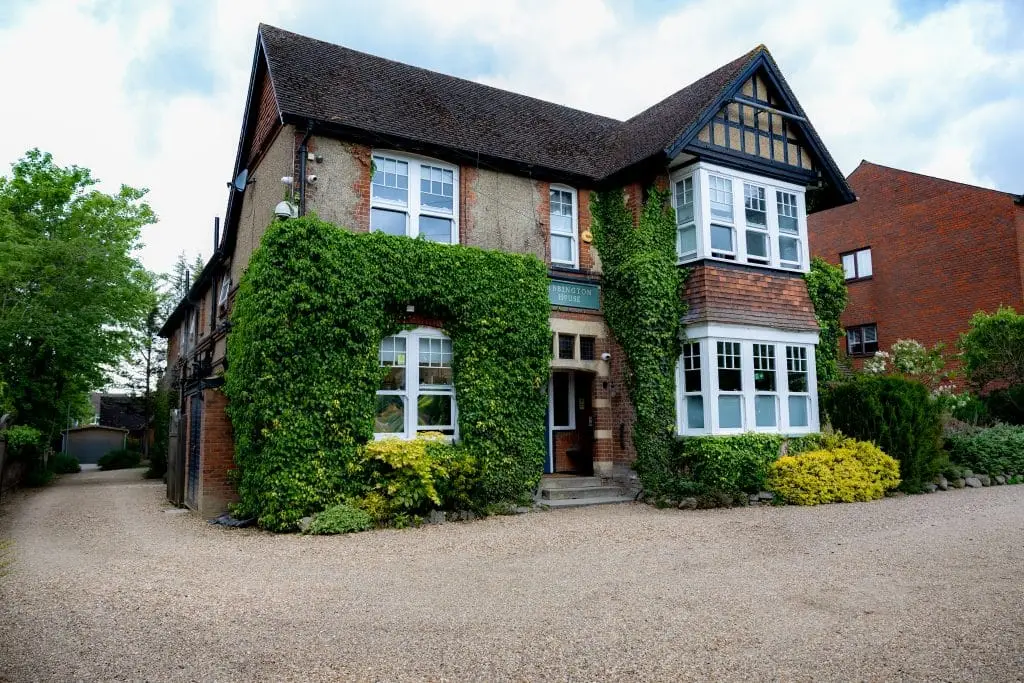
Abbington House is a CQC-registered private residential drug and alcohol rehab centre in Stevenage, Hertfordshire. Treatment is considered through an individual assessment, taking account of the person's circumstances, substance use and clinical needs.
Whether Abbington House is an appropriate setting for someone whose primary substance is crystal meth would need to be established through that assessment and confirmed by the clinical team.
An addiction assessment provides an opportunity to discuss your substance use, your current situation and whether residential treatment may be appropriate.
Treatment at Abbington House can include CBT, DBT, trauma-informed work and a 12-step structure, alongside complementary activities such as art therapy, sound therapy and Reiki.
A typical stay is around 28 days, although the length is assessed individually. Family support and structured aftercare are also part of Abbington's wider treatment approach.
Dental treatment is a separate clinical service, so any dental concerns or appointments that might need coordinating during a residential stay should be discussed with the admissions team in advance.
You can read about the wider residential drug rehab approach and what treatment involves. There's a single fixed fee covering a stay, with further information on the cost of private rehab.
For more information about crystal meth itself, see the crystal meth addiction guide.
Common questions about meth mouth
01 : Will my dentist tell anyone I've been using crystal meth?
Dental professionals must follow the General Dental Council’s confidentiality standards. They must protect patient information, although disclosure without permission is allowed in exceptional circumstances, including certain serious safeguarding risks or legal requirements.
You can ask your dentist to explain how confidentiality applies before discussing your concerns.
02 : How much does it cost to repair meth-related dental damage on the NHS?
In England, NHS dental treatment uses three charging bands. If several treatments fall within the same band during one course of treatment, you pay the band charge once, rather than separately for each tooth. The amount depends on the treatment required.
03 : Can meth mouth be reversed after quitting?
Some contributing problems, such as reduced saliva production, may improve after stopping crystal meth. However, established tooth decay and lost enamel don’t reverse simply because drug use has stopped.
A dentist can assess which teeth can be restored and what treatment is appropriate.
04 : How long does it take for meth mouth to develop?
There isn’t a reliable timeline that applies to everyone. Dental damage depends on several factors, including the frequency and duration of drug use, oral hygiene, diet, saliva production and existing dental health.
You can’t determine how long someone has been using crystal meth from the condition of their teeth.
05 : Does smoking crystal meth cause dental damage?
Smoking crystal meth is associated with dental problems, but dental damage isn’t limited to people who smoke it. The effects of crystal meth on saliva production, teeth grinding and daily oral-health habits can contribute to dental problems across different routes of use.
Talking it through
If crystal meth use has become something you want help with, you can call Abbington House on 01438 583222.
The conversation is an opportunity to explain what’s been happening, ask about residential treatment and find out whether Abbington House may be an appropriate option for your circumstances.