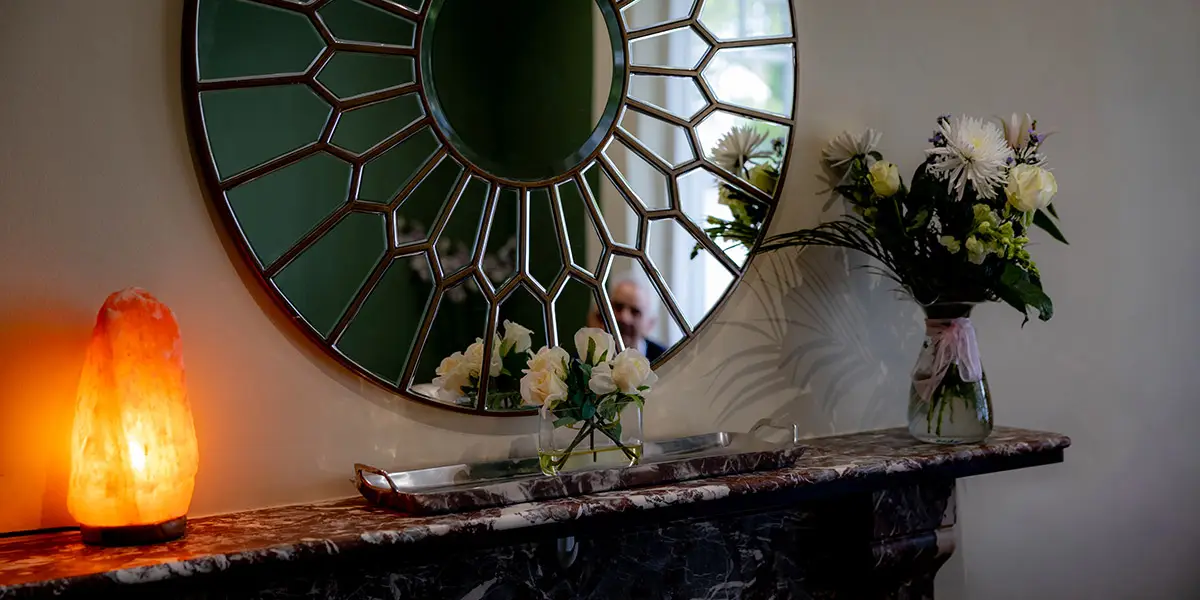
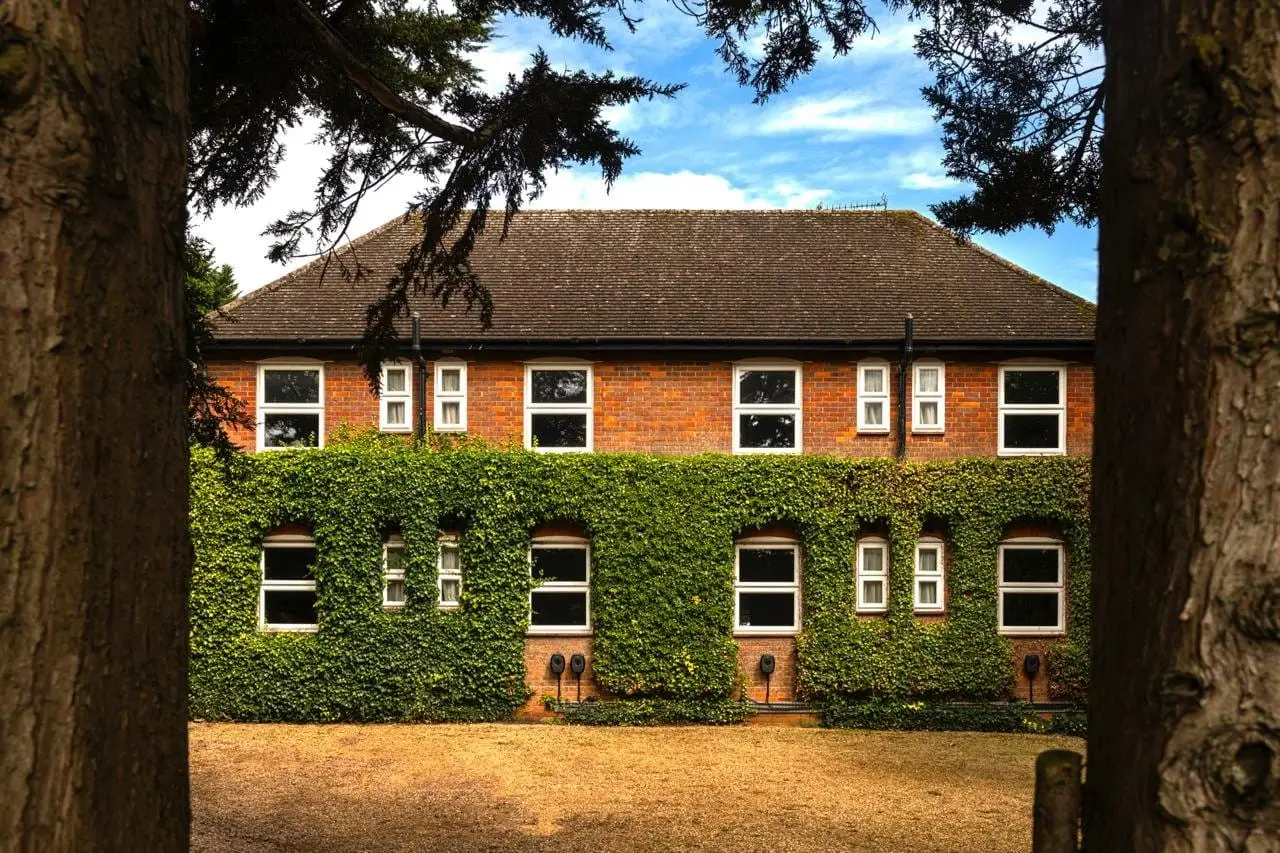
A small residential rehab centre where people are known, noticed and supported by a team who understand addiction through both lived experience and professional practice.
Abbington House is a CQC-regulated private residential rehab centre in Stevenage, Hertfordshire, treating alcohol, drug and prescription medication addiction, with support for co-occurring mental health difficulties.
EXCELLENT Based on 114 reviewsPosted on Googleliam fieldingCannot fault Abbington house one bit , I have been in treatment centres before and this one stands out by a long way , all the staff are very welcoming and make it very comfortable for you when settling in, I have tackled trauma and parts of my life which I didn’t think i could do . I would highly recommend Abbington house to anyone .Posted on GoogleJack ThompsonThank you to all the staff at Abbington House, a life changing and saving 28 days, a special thanks to Cos and Mikey for their help, couldn’t have asked for more from the experience❤️Posted on GoogleLorraine BradyMy daughter has been staying with the wonderful team. Mikey has gone above and beyond to help our daughter. She can now move onto also receiving some extra support and look forward to a better future for herself. We as a family are very grateful for all the support we have received during her stay. Its a very friendly atmosphere and would highly recommend the service they offer. Thank you to you all for your continued support and for guidance to our daughter in such a difficult time.Posted on GoogleFrankie VineallI can’t thank Michael at Abbington House enough for the support he has given me through psychotherapy. From the very beginning, he created a safe and comfortable space where I felt able to talk openly about my childhood traumas, addiction and some very difficult experiences from my past. Michael helped me understand things from a different perspective, work towards forgiveness and, most importantly, learn how to let go of things that I had been carrying for a long time. As he got to know me, he also suggested meetings and support groups that he felt would be beneficial for my recovery, while always allowing me to do things in my own time and at my own pace. But the biggest thing Michael has taught me is how to love myself. That is something I never really knew how to do before, and it has made such a difference to how I see myself and my future. I’m incredibly grateful for his patience, understanding and genuine support. I would highly recommend Michael to anyone who is ready to work on themselves and make positive changes in their life.Posted on Googlejocelyn wardCame in struggling and am leaving now feeling brilliant thanks to the help of Abbington house staff. Mikey was especially helpful and found it amazing what was achieved in just 28 days. My second time in treatment and wished that I’d gone to Abbington first.Posted on GoogleEtienne ThiebautLi came into Abington house for 28 days struggling with alcohol. I’ve learned a lot about myself and I am leaving much happier and healthier. Mikey my sponsor has helped me a lot to work through my personal issues and I am very grateful. It’s the best diversion I’ve ever made to come here.Posted on GoogleAlfred WoodleyThe staff have been amazing, all very compassionate, empathic & experienced, all the activities and experiences have been incredible, my therapist Costa has helped guide me and the work we have done has been incredible, I really appreciate this place and the journey I’ve had here, the journey is just beginning, but I have been given the tools to continue my life in recovery with strength and resilience, I really feel like I’ve been given a new lease of life and a second change to be the best version of myself for me and my family! Thank you Abbington house!! And the food is amazing, thank you to the super chef Marian!

Many of the people who lead Abbington House are in recovery themselves. They understand what it can take to ask for help, begin trusting other people and face what has been happening.
That lived experience works alongside clinical knowledge and professional expertise, shaping a treatment environment built around honesty, consistency and understanding.
The people around someone in treatment matter. You or a loved one will be supported by therapists, medical staff and support workers who understand addiction personally and professionally.
There is no judgement here. Being understood can make it easier to be honest, ask for support and begin to feel safe in treatment.

Everyone who comes through our doors needs something slightly different. We get to know the person, understand what’s going on for them and make sure their treatment reflects what they actually need.
Addiction is rarely just about alcohol or drugs. It’s often tied to what someone has been carrying for a long time: grief, pressure, fear, shame, trauma, exhaustion, or the habit of coping alone.
At Abbington House, rehab treatment is built around the person, not just the substance.
Treatment for problems involving illicit drugs, prescription medication or several substances used together.
Treatment for drinking that has become difficult to control or has begun taking priority over health, relationships, work or life.
Treatment for alcohol or drug addiction alongside anxiety, depression, trauma or other co-occurring mental health difficulties.
Abbington House holds Doctify’s Great Patient Experience Award 2026, awarded to the top 30% of providers based on verified, anonymous reviews from people treated here.

A typical stay lasts 28 days. This gives us time to get to know you, understand what has been happening and begin the important work of changing your relationship with alcohol or drugs in a safe, home-like environment.
The stay includes comfortable accommodation, home-cooked meals, therapy that looks at the whole person, and medically supervised detox where needed. Our treatment is neurodivergent-friendly and LGBTQ+ inclusive.
Leaving Abbington House does not mean losing the support and relationships built during treatment.
Every residential stay includes one year of free aftercare, access to our recovery app and lifetime membership of the Abbington Community. Together, these provide continued connection, practical support and somewhere to turn as everyday life resumes.
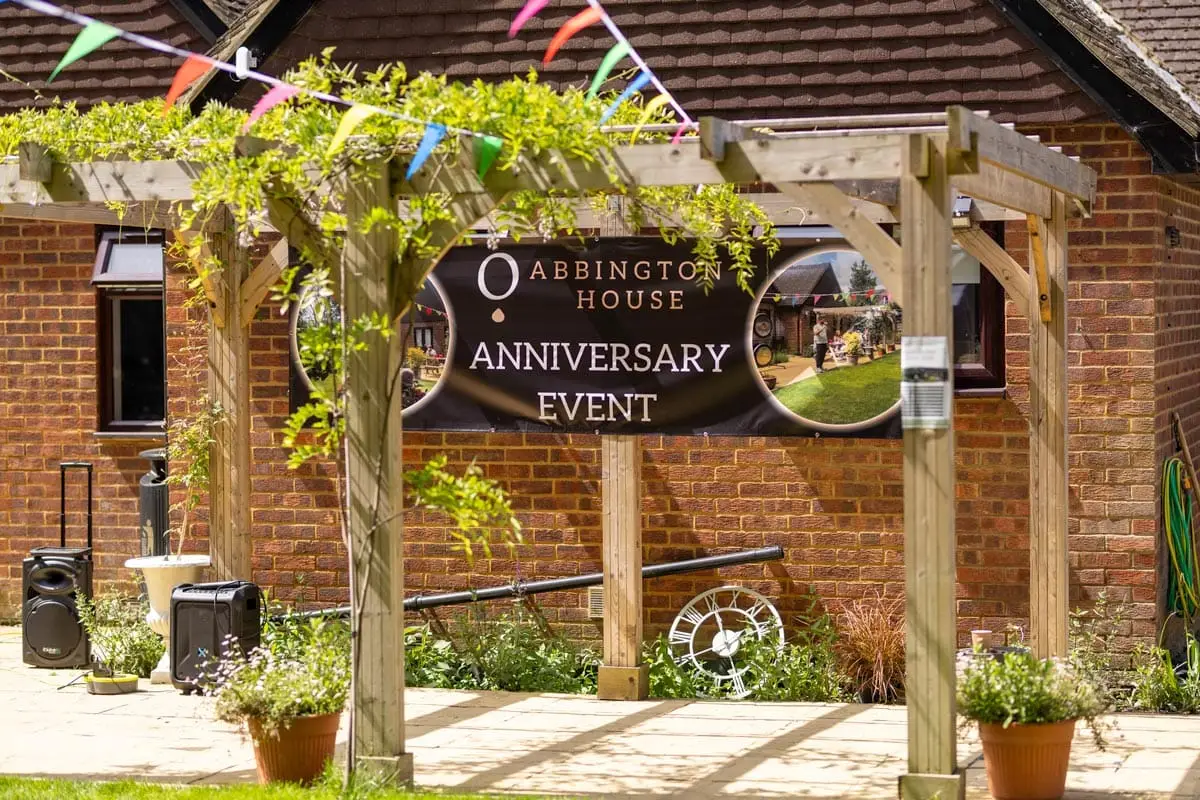
You can contact Abbington House directly to talk through what has been happening and whether residential treatment may be appropriate. You do not need a referral.
Where treatment is appropriate and a place is available, admission can be arranged within 24 to 48 hours.
Treatment is self-funded and charged as one fixed fee covering the agreed stay, including medically supervised detox where clinically needed, therapy, family support and aftercare. You can view the full details on our costs page.

Speak with our admissions team about yourself or someone close to you. We will listen, answer your questions and explain what residential treatment involves.

Before admission, we complete an assessment covering alcohol or drug use, physical and mental health, current medication, previous treatment and any immediate concerns.

If treatment is appropriate, we agree an admission date and explain what to bring, how to travel to Stevenage and what to expect when you arrive.
We use cookies to improve your experience on our site. By using our site, you consent to cookies.
Manage your cookie preferences below:
Essential cookies enable basic functions and are necessary for the proper function of the website.
These cookies are needed for adding comments on this website.
Google Tag Manager simplifies the management of marketing tags on your website without code changes.
Statistics cookies collect information anonymously. This information helps us understand how visitors use our website.
Google Analytics is a powerful tool that tracks and analyzes website traffic for informed marketing decisions.
Service URL: business.safety.google (opens in a new window)
Marketing cookies are used to follow visitors to websites. The intention is to show ads that are relevant and engaging to the individual user.
Google Maps is a web mapping service providing satellite imagery, real-time navigation, and location-based information.
Service URL: policies.google.com (opens in a new window)
You can find more information in our Cookie Policy and Privacy Policy.