

Residential Drug Rehab
Drug use rarely fits into one neat category. At Abbington House, residential drug rehab looks beyond the substance itself to understand what kept it going, what it was doing for the person and what needs to change when they leave.
01438 583222
Drug use does not always arrive with one neat label. We regularly see alcohol and cocaine together, cocaine and ketamine, or people using something to bring themselves up and something else to bring themselves back down again. Prescription medicines can be part of the picture too, although it is less common for someone to come to us because of prescribed medication alone. Drinking is often there somewhere as well.
Abbington House provides residential drug rehab in Stevenage, Hertfordshire. If alcohol is the main problem, our alcohol rehab page is the better place to start. If you are still trying to work out whether drug use has become addiction, our drug addiction information may be more useful first.
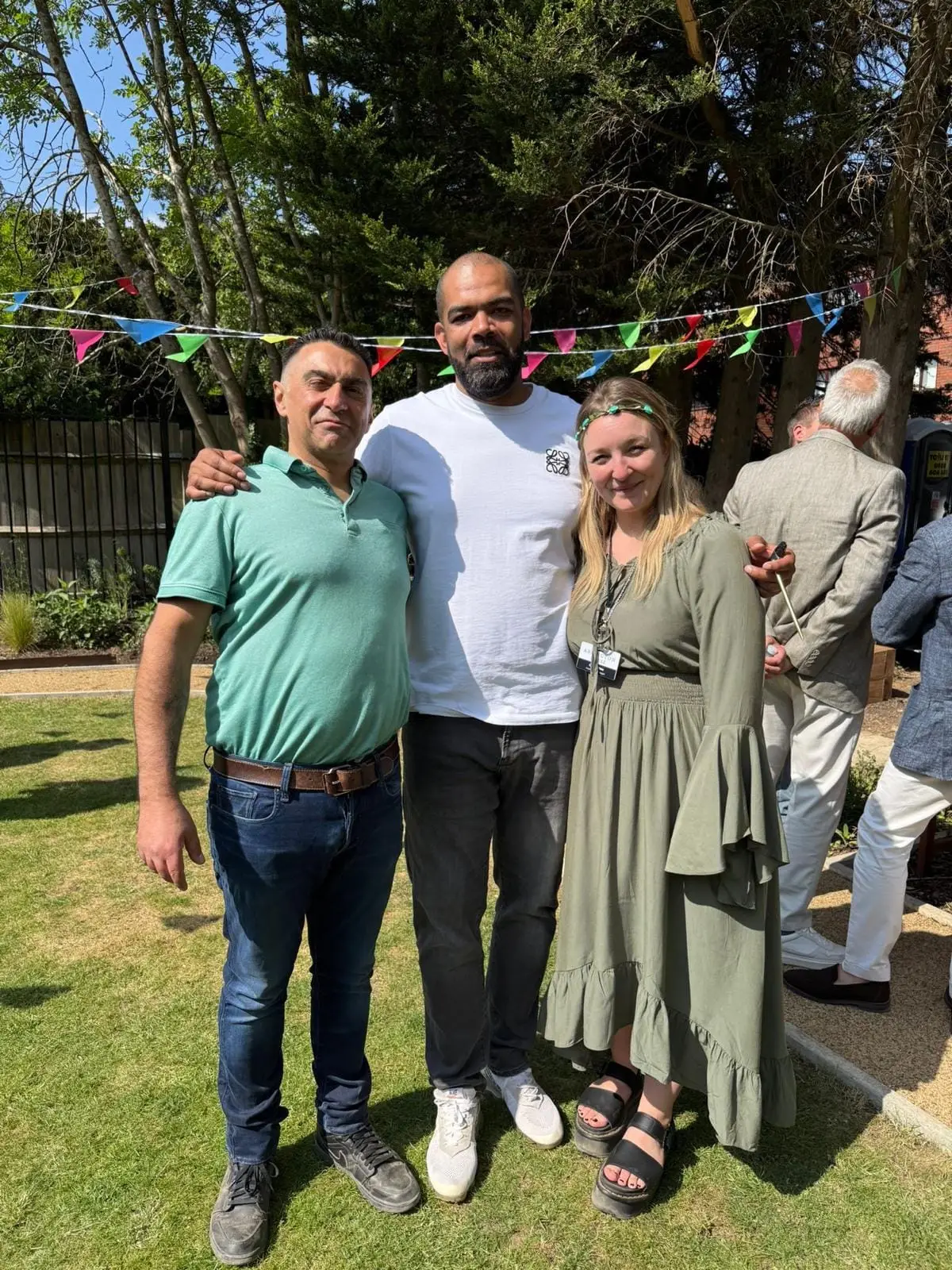
Who comes to Abbington House for drug rehab
People do not usually arrive here describing their situation in clinical language. They might say cocaine has got out of hand, that weekends have started spilling into the week, or simply that there is a bit of everything going on.
Sometimes it is alcohol and cocaine. Sometimes cocaine and ketamine. Sometimes somebody has spent a long time moving between uppers and downers without really thinking of it as mixed drug use at all. They just know life has become increasingly difficult to manage.
Families usually know more than people give them credit for. They often know which substances are involved. What they do not always know is the scale of it.
They know what it is doing to the family. They know about the worry, the tension in the house and the promises to stop that have not lasted. They can often see that something is getting worse even when they cannot see every part of it.
That is why our first job is not to squeeze somebody into a category. We need to understand what has actually been happening.
The substances we treat
For some people, one substance clearly sits at the centre of the problem. When that is the case, we have more detailed information about how treatment applies to it.
Cocaine rehab covers cocaine and crack use, including situations where alcohol has become closely tied to using.
Ketamine rehab looks at treatment where ketamine has become difficult to stop or has started taking up more of somebody's life than they intended.
Cannabis rehab is for people whose cannabis use has become persistent enough that attempts to stop do not seem to hold.
Heroin rehab and our information on opioid and painkiller rehab cover opioid use, including prescription painkillers.
We also work with dependence involving prescription medicines, including benzodiazepines.
But the substance name is only the starting point. Someone can arrive saying, “I’m here because of cocaine,”and that may be completely true. We still want to understand what cocaine was doing for them in the first place.
It's not only about the drug
There are reasons people use cocaine. For one person it might have made them feel confident in situations where they normally felt uncomfortable. For somebody else it may have helped them keep going when they were exhausted or struggling. We have also worked with people who, looking back, can see that substance use had become a way of self-medicating difficulties around ADHD long before they understood what was happening.
That does not mean every person has some hidden diagnosis waiting to be uncovered. It means we do not stop the conversation at, “You use cocaine, therefore cocaine is the problem.”
If a substance kept being used, despite everything it was costing somebody, then it was probably giving them more that just a buzz. That becomes part of the work in treatment. The team will look at what was happening before somebody wanted to use, what they expected the drug to change and what became easier once they'd taken it.
That is an important part of how we understand addiction at Abbington House.
Repeated attempts to stop matter too. Someone may have genuinely meant it every time they said they were finished. Then a few days or weeks later they are back in the same pattern. Anxiety, depression, trauma or neurodivergence may sit underneath that. Sometimes there is something else entirely that only starts to become clear once life has quietened down.
The point is not to invent an explanation for somebody. It is to take enough time to understand them.
What drug rehab here actuallylooks like
- People sometimes imagine residential rehab as a rigid timetable where every hour is accounted for and everybody is expected to fit into the same routine.
- There is structure here, but Abbington House is still a home.
- One of the reasons residential treatment can help is that somebody is temporarily away from many of the pressures, relationships, routines and triggers that have kept drug use going. For a while, there is some distance between the person and the environment they have been trying to change inside.
- Where detox is clinically appropriate, it takes place at Abbington House and is assessed individually. The details of withdrawal and detox sit within our detox section; there is no need to repeat them here.
- The first day or two are often much less dramatic than people expect. A lot of it is simply about settling in.
- There is also a clinical assessment. The team needs to understand what drugs and alcohol you've been using, how often you've been using them and when you last used them. They'll also look at your physical and psychological health, prescribed medication, previous treatment and any previous experience of withdrawal. That information helps determine what needs to happen first, including whether a detox needs to form part of your treatment.
- People can arrive exhausted. Some are anxious. Some are embarrassed about what has happened, and some are still not entirely convinced they want to be here. We are not trying to drag everything out of somebody the moment they walk through the door.
- There is a room to sleep in. There is fresh food. The house is calm. There are people around who understand addiction because many of our staff have lived through it themselves.
- Those things might sound small compared with therapy, but they matter.
- People tend to engage when they feel understood. If somebody feels they are being judged, managed or spoken at, they can close down very quickly. If they begin to feel that the people around them genuinely understand where they are coming from, something changes.
- That feeling of safety gives the deeper therapeutic work somewhere to begin.
What if you've used drugs on the day you arrive?
You don't necessarily need to have stopped using drugs before you arrive at Abbington House. The admissions team understands that many people coming into treatment won't arrive sober. What matters is whether you can be admitted safely. What you've taken and when you last used it will form part of the assessment when you arrive.
Do you have to attend therapy while you're detoxing?
That depends on how you're doing. Some people are able to start joining groups relatively early. Someone else may need more rest, individual support and time to stabilise before they're ready to participate fully. The treatment and clinical teams look at how you're doing rather than expecting everybody to follow exactly the same timetable from their first day.
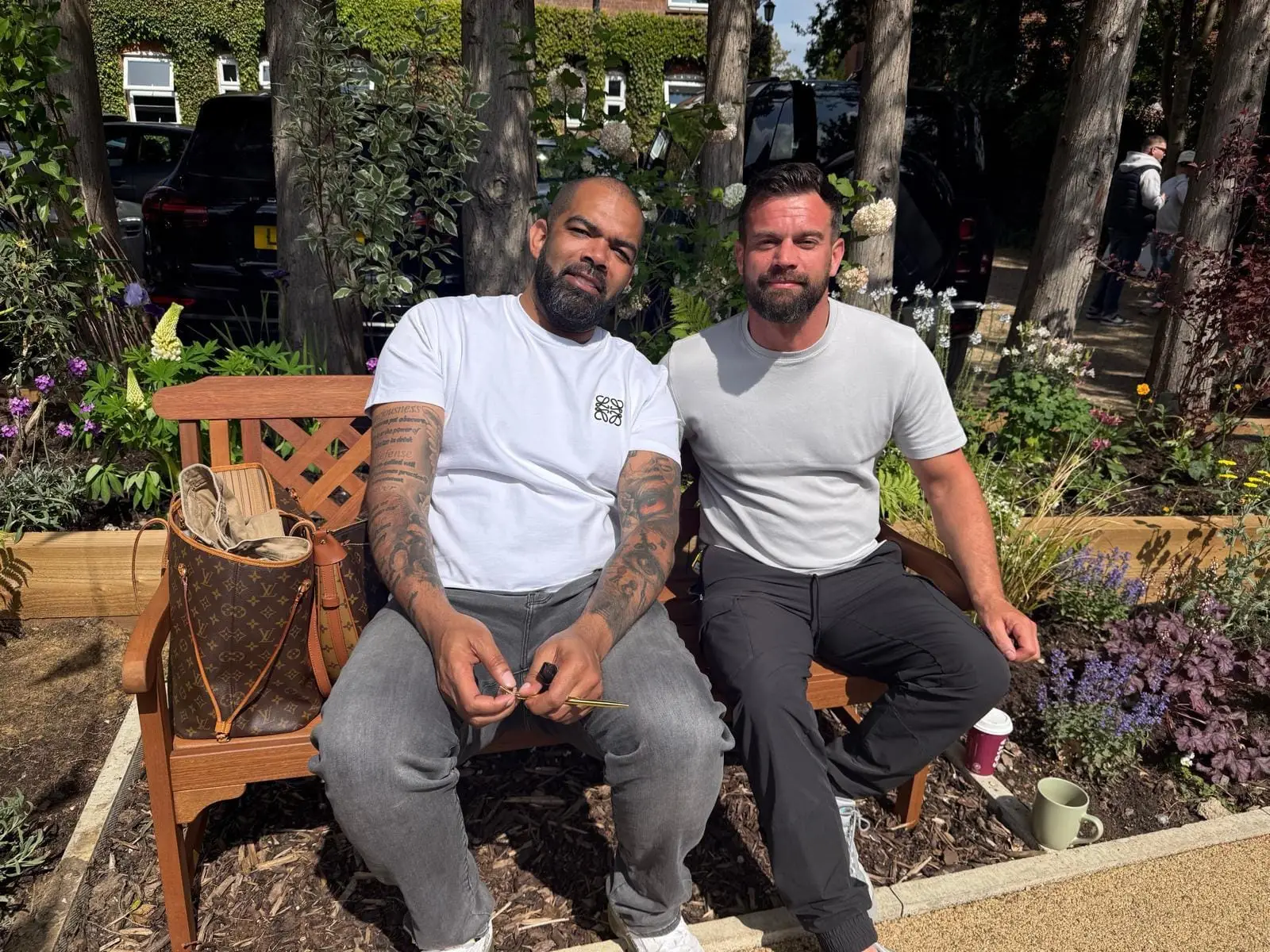
Treatment is built around the person in front of us
Once somebody has started to settle, the work becomes more individual.
Michael Williams is responsible for care planning at Abbington House. The care plan is not built around the assumption that everybody using the same drug needs the same thing. It looks at the person, the pattern of substance use and what appears to have been keeping that pattern alive.
Treatment includes one-to-one therapy and group work, but the important part is what those conversations are trying to understand. Why did this become useful? What kept pulling the person back to it? What happened during previous attempts to stop? What becomes difficult when the substance is taken away?
Our approach is trauma-informed, and where mental health difficulties or neurodivergence are part of somebody’s life, they are not treated as an inconvenience sitting beside the addiction. They form part of understanding the person properly.
That does not mean every difficult experience gets turned into a clinical explanation. Sometimes somebody simply needs enough time, safety and honesty around them to begin making connections they had not been able to make before.
We’re often asked: Does treatment change depending on the drug? The drug matters because it changes some of the risks and some of the work that may be needed. It still doesn’t tell us everything we need to know about the person using it.
What happens when you experience cravings in rehab?
Experiencing a craving in rehab doesn’t mean treatment is not working. When it happens, we want to understand what was going on around it.
That might mean looking at what happened beforehand, what you were feeling or thinking and what you expected the drug to do for you. A craving after an argument may be different from one that appears when you are bored, lonely or anxious. Sometimes the trigger is a person, place, phone call or even having access to money.
The work is partly about noticing those patterns. Rather than treating every craving as something that needs to be pushed away or distracted from, we can look at what sits behind it and help you develop different ways of responding.
Over time, the aim is for a craving to become something you can recognise and experience without automatically having to act on it.
Why feeling understood matters
Michael Williams knows that from his own experience of addiction and recovery.
“As someone who has battled addiction, the loss of my parents and a deep sense of hopelessness, the thing that first opened my eyes to the possibility of change was having people around me who would advocate for me, take the time to understand me and help me see potential in myself that I couldn’t see at the time.
That is what Abbington House stands for. This is more than addiction treatment. Everyone who walks through our door is a human being who may not yet be able to see their own potential.”
- Michael Williams, Clinical Lead
- That idea runs through the way treatment is approached here. People do not need to arrive motivated, articulate or certain that recovery is possible. They need somewhere they can begin to see that possibility for themselves.
The people around you matter
Abbington House is a small residential rehab centre in Stevenage Old Town, Hertfordshire. People are known personally here, and most of the staff have their own experience of recovery.
That does not mean everybody's story is treated as though it is the same. It means people are less likely to feel that they need to explain addiction from the beginning before somebody understands what they mean.
The first person many families or potential residents speak to is Michael Garnham, our Director of Admissions. Michael is approaching 30 years in recovery from alcohol and cocaine addiction. That experience matters when somebody calls feeling frightened, ashamed or unsure what needs to happen next.
You can meet the wider Abbington House team and see the people involved in treatment and day-to-day care.
Abbington House is CQC-regulated and received the Doctify Great Patient Experience Award 2026, placing the centre within the top 30% of providers for patient experience.
Families are part of what has happened too
- Addiction does not stay neatly with the person using drugs.
- By the time somebody comes into treatment, their family may have spent months or years worrying about what is going to happen next. They may have heard promises to stop before. They may be exhausted from trying to work out when to help and when helping has started making things worse.
- We run weekly online family sessions because families need somewhere to make sense of what has happened as well.
- The work is not about teaching relatives how to control somebody's recovery. It is about helping them understand addiction, their own experience of living around it and what healthier boundaries can look like when somebody comes home.

Life at Abbington House
A lot of recovery happens in conversations that are not scheduled.
It might be talking to somebody over breakfast, sitting with another resident after a difficult therapy session or having a member of staff notice that something is not quite right before the person has found the words for it themselves.
Fresh meals, a warm bed and a calm house are part of the treatment environment here. They are not luxuries added around the edges.
For somebody who has been living with constant stress, broken sleep, arguments, secrecy or the repeated cycle of using and trying to stop, ordinary things can start to matter again.
This is why we describe Abbington House as residential treatment rather than a clinical environment somebody simply passes through. People live here while they do the work.
Support continues afterwards too. Everyone completing treatment at Abbington House has access to one year of structured aftercare, alongside lifetime access to the Abbington Community.
How long drug rehab takes and what it costs
Most residential stays at Abbington House are around 28 days, although length of stay is assessed individually. Our length of stay page explains this in more detail.
Treatment is charged as a single fixed fee rather than adding separate charges as the stay progresses. The current fee and what is included are kept in one place on our rehab costs page.
Private residential treatment is not the only option. Free local drug and alcohol services are available, and your GP can also help you understand the support available where you live. Our guide to choosing addiction treatment explains some of the different routes.
Starting drug rehab at Abbington House
You do not need to know exactly what to say when you call us.
Sometimes somebody rings and knows precisely what has been happening. Other times it takes a conversation to understand the pattern properly. A family member may know the drugs involved but be trying to work out how serious things have become and what they can realistically do next.
The first conversation gives us somewhere to start. We can talk about what has been happening, what substances are involved, previous attempts to stop and anything else that may be important before an assessment is arranged.
After that, the admissions team will explain what happens next. You can read about the admissions process or call Abbington House on 01438 583222.
