


The football is over, but has the drinking stopped?
Now the final has been played, has the drinking returned to normal with it?
Perhaps you’re still opening something around the time a match would have kicked off. Maybe the drinks you bought for the tournament have long since been replaced, or evenings without alcohol now feel noticeably flatter than they did a few weeks ago. You might not think anything of it, and it might even be too early to know whether it’s an issue, but the end of the football can give you a little perspective.
The question isn’t whether you drank more during the World Cup, because plenty of people did. The more revealing question is whether you’ve naturally gone back to the way you drank before it.
The football may have explained why your drinking increased. It can’t explain why cutting back again now feels more difficult.

During the World Cup, Drinking More Was Easy to Explain
One of the things major tournaments do remarkably well is make drinking feel completely ordinary.
There’s a match on, so friends are coming over. The weather is good, so the pub is full. Even if you’re watching at home, opening a beer before kick-off feels like part of the occasion rather than a decision you’ve consciously made.
Without really noticing, the usual boundaries begin to shift. You drink on evenings that would normally be alcohol-free. You start earlier because the match starts earlier. You buy more because there are several fixtures coming up, and if everyone around you is doing something similar, it becomes very easy to believe nothing has changed. And that’s the case for so many people.
The tournament ends, the extra alcohol disappears from the shopping list and life settles back into its usual rhythm. The football came and went, and so did the drinking.
For others, though, those few weeks become the start of something that lasts longer than the tournament itself, because repeating the same behaviour over several weeks can make a huge difference.
It’s often only once the obvious reason has gone that those changes become easier to see.
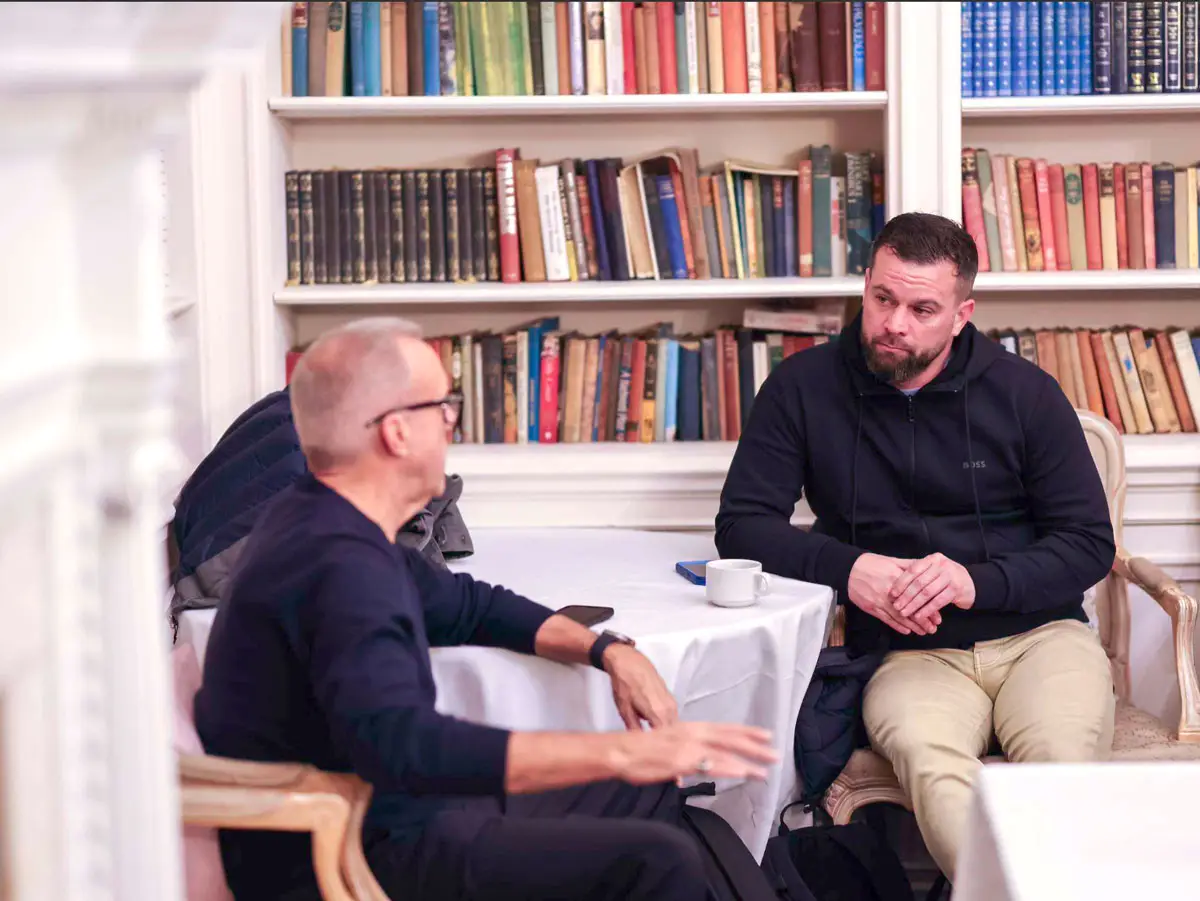
Has the Drinking Returned to Normal?
When people start wondering whether alcohol has become a problem, they’re usually comparing themselves to the wrong person.
If your idea of problem drinking is someone whose life has completely fallen apart, it’s easy to dismiss your own concerns. You’re still working. You’re still looking after your family. You’re still functioning, so it doesn’t seem reasonable to ask whether your relationship with alcohol has changed.
A much better comparison is with yourself. Think back to the weeks before the tournament began. How often were you drinking then? How much attention did alcohol take up in your day? Did you spend much time thinking about your first drink, or was it simply something that happened occasionally without much thought?
Now think about today. Perhaps you’re drinking on evenings that would once have been alcohol-free. Maybe you’ve started buying alcohol automatically during the weekly shop, or you’ve noticed yourself looking forward to that first drink long before you’ve finished work. You may have planned to cut back once the football ended, only to find yourself quietly postponing it until next week.
You Don't Need to Wait Until It Gets Worse
That first conversation isn’t about judgement, and it’s certainly not about persuading you into rehab. It’s about understanding what’s changed.
At Abbington House, we support people who feel they need time and space away from drinking—even when work, family life and everyday responsibilities are still being managed.
You do not need to have reached a crisis or decided whether alcohol addiction is the right label. Sometimes the clearest sign is simply that drinking has become harder to control, more difficult to step away from or more important than you want it to be.
Our 28-day residential stay gives you, or someone close to you, the structure, support and separation needed to step away from alcohol, understand what has changed and begin moving forward.



EXCELLENTTrustindex verifies that the original source of the review is Google. Great staff , great food , leaving with the a toolbox of tools to help me on my way , thankyou everyone of youPosted on GoogleTrustindex verifies that the original source of the review is Google. This place is amazing, the staff are so understanding and helpful. They'll make sure you feel comfortable and welcome and the transformation you can have is unreal.Posted on GoogleTrustindex verifies that the original source of the review is Google. Words cannot describe the life changing, and indeed life saving experience I have had by coming in to Abbington House. My time here has been one of the most fulfilling experiences of my life that has taught me so much about myself and my addiction and given me the tools I need to life the rest of my life present for my family, positive, productive, curious again, ambitious again and most importantly happy. I am free of the torment my addiction was creating for me and I'm excited about the future instead of being scared, anxious, guilty and ashamed. The team at Abbington are just incredible people but a special shout out goes to Mikey, my therapist. He has been my rock throughout this journey and I wouldn't have been able to do it without his guidance and support and the love and support from my amazing wife. I'm lucky to have gone through this process with an awesome bunch of fellow residents who made everything a million times easier to face. We've all laughed, we've all cried, we've all bared our souls and it was worth every single second of it. I can't recommend Abbington House highly enough. It's a wonderful place offering the second chance any addict is desperate to be offered. The Twelve Step recovery programme works, and if you put the work in, you'll get all the benefit back. Thank you to everyone that has been there for me and helped me. I'll be back many times in the future but for all the right reasons instead of all the wrong reasons. If I'm able to I'll come back and post some photos once I've managed to track them down from fellow residents.Posted on GoogleTrustindex verifies that the original source of the review is Google. Leaving tomorrow after 28 days detoxed from methadone and crack cochine wouldn't have done it without my therapist cos and all the amazing staff who work at abbington housePosted on GoogleTrustindex verifies that the original source of the review is Google. I cannot thank this place enough for everything that was done for me. I came into Abington house a well and truly broken man. I was full of guilt, fear and regret. My therapist Costa listened to what was wrong with me and came back with a game plan for me for the next 28 days and as the days went by he started to help me with all my problems and as we addressed them one by one I started to feel a weight off my shoulders. I managed to deal with grief that had plagued my life for 24 years and years worth of self hate. Every staff member Costa, Jason, mickey, nial, Ben, Emily, Ola, David, Mary, Pete, John have helped me in my journey. Even down to the amazing chef Marion. Not only was a cared for by the staff and therapist, I was cared for by the amazing and nutritious food from Marion. I couldn’t recommend Abbington house enough for anyone who is struggling or has a loved one that’s struggling. They have completely changed my life.Posted on GoogleTrustindex verifies that the original source of the review is Google. I have recently just completed a 28 day stay at Abbington House for alcohol and cocaine addiction. Hand on heart, I can honestly say it’s the best decision I have ever made in my life. Life before Abbington was a mess. I had literally hit rock bottom and had given up on life. I didn’t care who I hurt on the way down. To say I was selfish would be an understatement. All I cared about was the next drink or next line. I turned into someone my family and friends didn’t recognise. I didn’t even recognise the person staring back at me in the mirror. Abbington changed all that. They have given me my life back and for that I will be forever grateful. I now have the strength and the confidence to move forward and live my life to fullest. For the first time in years, I am actually excited at what the future holds. Words cannot describe how amazing every single member of staff are. They are all truly life savers. There is no judgement and their commitment to helping everyone who walks through that door goes above and beyond. The accommodation is great and the surrounding grounds are beautiful. I felt calm and safe from the moment I arrived. The program covers all areas needed to help you on your road to recovery. This includes the 12 steps, group therapy, one to one therapy, yoga, sound therapy plus weekly trips to the local gym, swimming pool and shops. I would also not have been able to do it without the support and care from my fellow residents. They were all a massive part of my journey and I have made friends for life. Also a special thank you to Chef Marion! The food is absolutely next level amazing and a massive part of the recovery program. I cannot recommend Abbington House highly enough. To anyone who is scared or struggling, pick up the phone and give them a call. It will be one of the most important phone calls you will ever make and I can promise you, one you will never regret. Eternally Grateful 🙏 Carrie x IPosted on GoogleTrustindex verifies that the original source of the review is Google. I chose Addington House based on the excellent reviews and the dual approach of addressing the mind as part of recovery. The programme is well paced and varied. Both individual and group sessions. A very open and honest culture which makes sharing experiences or difficulties much easier in a safe environment. The staff are highly experienced. I feel my time at Addington has helped with both recovery and my anxiety and ‘busy brain’ as well. Equally impressive is the after care that is available - very supportive and accessible. And the feedback about the food is true - very tasty and healthy. All in all I can see some people come from quite far away to go to Addington as it is a great place to get better. I have benefited so much from my stay - more than I expectedPosted on GoogleTrustindex verifies that the original source of the review is Google. So much compassion shown during one of the most difficult periods of our lives. Addiction and grief can create a darkness that feels impossible to escape, and watching someone you love struggle is heartbreaking. Throughout this journey, the team did so much more than simply provide treatment - they gave understanding, guidance, patience, dignity, and hope when it was needed most. They welcomed someone carrying not only the burden of addiction but also the heavy pain of grief. They saw the person beneath the struggles and helped them begin finding themselves again. That kind of care goes far beyond what words can express. A very special thank you goes to Costa, whose support throughout this journey has been truly exceptional. As a lead therapist, the work you do goes far beyond simply providing guidance - you have a remarkable ability to see the person beneath the struggles and help them face and process things that may have been buried for years. Your compassion, patience, understanding, and dedication have been incredible. I also want to personally thank you for every phone call and email you answered with kindness and reassurance. During moments of worry, uncertainty, and fear, you never made me feel like a burden and always made time to listen and help. The care and support you provided meant more than you will probably ever realise, not just for the person in recovery but also for those of us supporting and loving them. People like you genuinely make a life changing difference. Thank you also to the reception team for always being warm, supportive, and available whenever help or reassurance was needed. Thank you Mikey for leading the family support groups and creating a space where families could feel heard, supported, and understood. Addiction affects everyone around the person struggling, and that support made a real difference. To everyone at Abbington House, including those not mentioned by name, thank you. Every conversation, every act of support, every kind word, and every effort played a part in helping someone move forward. Recovery is never a simple path, but knowing someone you love is surrounded by people who genuinely care brings comfort and hope to an entire family. The work you do changes lives, and I will always be grateful. I would wholeheartedly recommend Abbington House to anyone in need of support and recovery, or to families looking for help for someone they love. During an incredibly difficult time, they provided not only treatment but genuine care, compassion, understanding, and hope. The difference they make extends far beyond the individual in recovery. It reaches entire families, and for that I will always be thankful.Posted on GoogleTrustindex verifies that the original source of the review is Google. Abbington House has been a life-changing experience. I went in for medical detox from alcohol and rehabilitation, which included therapy and the 12-step program, and it has done so much for me, both during my treatment and continues to do so through the aftercare. What stood out most is that you're treated like an adult. You get out what you put in, and there's plenty of support from all the staff, who are absolutely fantastic. From the moment you arrive, you are genuinely welcomed by the team and by fellow recovering patients alike. That sense of being truly cared for and understood makes all the difference. This is not my first time in rehabilitation, but Abbington House was by far what I needed to recover, a completely different experience. I was listened to, treated with respect, and provided with the tools and support I need to succeed. The therapy, group sessions, and holistic practices, things I wasn't sure would work for me, all played a bigger part in my recovery than I ever expected. The aftercare plays an important part of this journey and, two months out, is proving invaluable. I've come out a better version of myself. Through a lot of reflection and meditation, I've truly come to understand and accept that I cannot control my alcohol use, and I can now fully understand all the damage and harm my addiction has been causing. There's still a lot of work to do on myself, but I have the tools, support and understanding to move forward. The food is also great, the rooms are comfortable with decent showers, and the communal area is brilliant. They've got it right here. All of the reviews you'll find are justified. If you're looking for rehabilitation for yourself or someone you love, whether you're scared, lost, or feel like you have nowhere to turn, I would wholeheartedly recommend Abbington House. I only wish it had been my first experience. Thank you for everything!Verified by TrustindexTrustindex verified badge is the Universal Symbol of Trust. Only the greatest companies can get the verified badge who has a review score above 4.5, based on customer reviews over the past 12 months. Read more
Speaking to Abbington House
If the last few weeks have brought something into focus, you can call and ask. The conversation doesn’t commit you, or them, to anything.