


Walking into rehab for the first time can feel terrifying. This is an honest account of what I learned along the way — the myths, the surprises and the truths that make recovery possible.
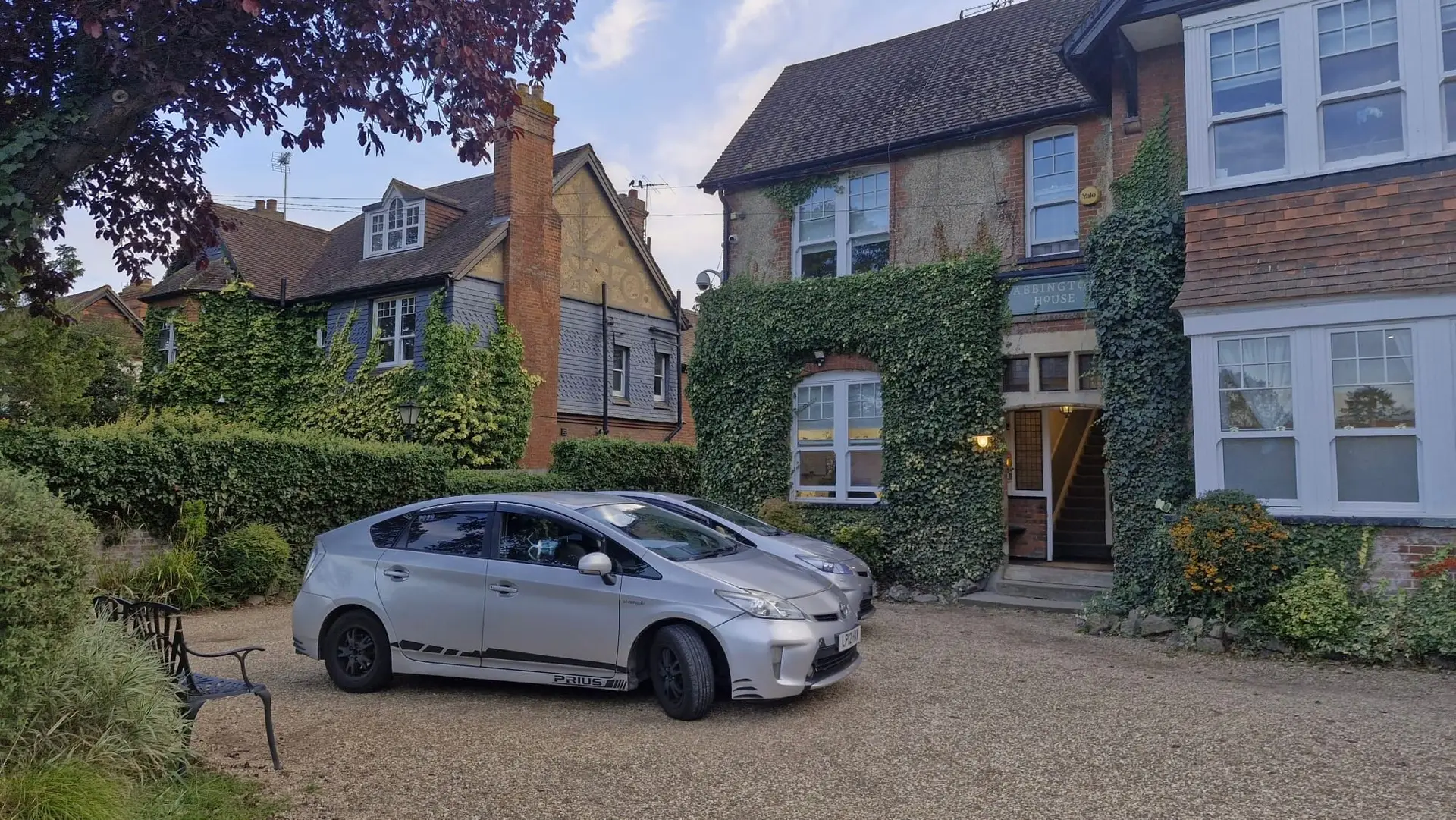
When I first walked through the doors of rehab, I was terrified. I didn’t know what to expect, who I’d meet or whether I even belonged there. I remember crying uncontrollably because part of me felt like I didn’t belong there. I wasn’t “bad enough” to be there, because rehab was for people who’d lost everything, not someone who was just… struggling. Another part of me thought it might be like a little retreat: a chance to rest, recover, and come back “cured”.
Neither of those ideas were true.
The reality of rehab was something very different, harder in some ways, better in others. Looking back now, with the benefit of having gone through treatment and later working in the industry, there are things I wish I’d known beforehand. Not because they would have made it easy (nothing about rehab is easy), but because they would have helped me walk in with less fear and a clearer understanding of what the process was really about.
If you’re thinking about rehab – or watching someone you love struggling with the idea – please know that this isn’t a sales pitch. I’m just telling you the truth as I lived it. These are the lessons that only became clear once I’d been through it myself.
1. You Don’t Have To Be the “Worst Case”
One of the biggest lies I told myself was that rehab was only for people who had completely fallen apart. People who’d lost their homes, jobs or families. I thought because I was still functioning, still holding parts of my life together, that I didn’t qualify for rehab.
But addiction isn’t measured by how much you’ve lost. It’s measured by what it’s doing to you inside and how powerless you feel to stop. Some of the people I met in treatment were at rock bottom, yes. Others looked, from the outside, like they had it all together. What we all had in common was the fact that our relationship with substances was controlling us more than we were controlling it.
Despite what many believe, you don’t have to wait until you hit the very end. In fact, the earlier you reach out, the easier it can be to turn things around. I wish I’d known that walking through those doors wasn’t an admission that I was a terrible person, it was a decision to stop things from getting any worse.
2. It’s Not Like a Holiday (but That’s a Good Thing)
Before I went to rehab, I half-imagined it might be like a retreat. Long walks, meditation, healthy food, time to rest. Some of that turned out to be true, but rehab isn’t designed to be comfortable. The whole point is that it’s designed to help you change.
That means early mornings, a packed schedule and a lot of therapy. At first, it can feel overwhelming. You’re stripped of your usual crutches, no alcohol, no drugs, no ways to escape, and suddenly you’re sitting face-to-face with yourself. That’s not easy.
But it’s also what makes rehab work. The structure keeps you accountable. The therapy helps you dig into the real reasons behind your addiction. And the daily routine slowly rewires your brain, showing you what life can feel like without constant chaos.
Looking back, I’m grateful it wasn’t a holiday. If it had been, I probably would’ve walked out rested, but unchanged. Rehab gave me something deeper: the foundations of recovery.
3. You’ll Meet People Just Like You
Before I went to rehab, I imagined I’d be surrounded by people who were nothing like me. I thought they’d be “real addicts,” people from completely different backgrounds who wouldn’t understand me. The truth was the exact opposite.
On my very first day, I heard someone share their story and it was like they had taken the words out of my mouth. Different life, different details, but the same feelings, the same patterns, the same desperate attempts to control something uncontrollable. It was both unsettling and comforting: unsettling because it showed me I wasn’t unique in my struggle, comforting because it meant I wasn’t alone.
Rehab brings together people from all walks of life: professionals, parents, students, people who had been to rehab before and people like me who were completely new to it. What connected us wasn’t our job titles or histories, but the fact that we all wanted freedom from addiction.
I wish I’d known sooner that walking into a group room full of strangers would turn out to be one of the most powerful parts of the whole experience.
4. Trust Takes Time, and That’s Okay
When I first arrived in rehab, the idea of opening up to a room full of strangers felt impossible. How could I share the ugliest, most shameful parts of my life with people I’d just met? For the first few sessions, I sat back, arms folded, convinced I’d never be able to talk honestly.
But something shifted when I started listening. I realised other people weren’t holding back. They spoke about things I thought I’d never say out loud, and no one laughed or turned away. Instead, there was nodding, understanding and a kind of compassion I hadn’t felt in a long time.
Trust didn’t happen overnight. It built slowly, through shared experiences and small moments of honesty. And when I finally did open up, it felt like a weight had been lifted.
I wish I’d known I didn’t need to force it or pretend. Trusting the process and the people around me came naturally with time. And it made all the difference.
5. It’s Not a Quick Fix
When I went into rehab, I secretly hoped I’d come out “cured.” A few weeks away, some therapy and maybe I’d be able to drink or use again in moderation. That’s what I thought recovery meant: fixing what was broken and getting back to “normal.”
What I learned is that rehab isn’t about fixing you, because you’re not actually broken in the way you think. Addiction isn’t a flaw to patch up; it’s a cycle that needs to be interrupted and replaced with something healthier.
Rehab gave me tools: coping strategies, routines, a support network and an understanding of why I turned to substances in the first place. It showed me that recovery is a daily practice, not a one-time repair job.
I wish I’d known that going in. It would have helped me let go of the idea of being “fixed” and instead focus on building a new way of living, one that, even now, continues to grow stronger.
6. Aftercare and Support Matter Just As Much as the Programme Itself
When I finished rehab, I thought the hardest part was over. I had completed the programme, I’d learned so much and I felt ready to take on the world. What I didn’t realise was that leaving rehab is when the real work begins.
The structure, safety and constant support you have inside those walls don’t exist in the same way once you go home. Old triggers resurface, life’s responsibilities pile back on, and the urge to slip into old habits can feel overwhelming. That’s where aftercare and ongoing support become essential.
Whether it’s therapy, support groups, alumni meetings, or check-ins with people who understand, staying connected makes all the difference. Rehab plants the seed, but aftercare is what helps it grow.
I wish I’d known that recovery isn’t just about completing a programme, but committing to ongoing support. The people who stay connected, who keep reaching out even when they feel strong, are the ones who give themselves the best chance at long-term sobriety.
Looking Back...
Rehab wasn’t what I expected. It was harder, more confronting and at times more uncomfortable than I ever imagined. But it was also the most important decision I’ve ever made.
I walked in scared, ashamed and convinced I didn’t belong. I walked out with a clearer head, tools I could actually use, and a community that understood me in a way no one else ever had.
If you’re standing where I once stood – debating whether rehab is really for you, worrying about what it will be like, or telling yourself you’re not “bad enough” yet – I hope my experience gives you some clarity. Rehab doesn’t mean punishment or labels. It’s about giving yourself the chance to stop, reset and start living in a way that’s free from the cycle of addiction.
It won’t fix everything overnight. But it can give you the foundation you need to build a life you don’t want to escape from. And that’s worth every bit of fear it takes to walk through those doors.
If you’re thinking about rehab, you don’t have to figure it out on your own. At Abbington House, we’re always here to talk – whether you’re ready to take the first step, or you just want to ask questions in confidence.
Your journey doesn’t have to wait until things get worse. Reach out today and explore what recovery could look like for you.