• 23 Hitchin Road, Stevenage, Hertfordshire SG1 3BJ
  • Admissions

Therapy & Emotional Support

Therapy and Emotional Support in Rehab

Addiction rarely begins with substances alone. For most people, it starts as a way to manage pain, stress or feelings that feel too big to handle. Over time, those coping mechanisms take on a life of their own. Therapy is where recovery begins to reverse that pattern; where you learn not just how to stop using, but how to understand yourself again.

At Abbington House, therapy is woven through every part of your stay. Our sessions don’t allow judgment or confrontation. They’re about safety, honesty and rediscovering emotional balance. You’ll be supported by a team who understand what it means to rebuild from the inside out, many with lived experience of recovery themselves.

Here, therapy isn’t just about talking. It’s also about connection and regulation.

Why Emotional Support Matters in Recovery

Addiction doesn’t just affect behaviour, it affects the way people feel and cope. Over time, emotions can become overwhelming or shut down completely. Many people arriving at rehab describe feeling disconnected from themselves and others, unsure how to trust or express what they really feel.

That’s why emotional support is at the heart of recovery at Abbington House. Before change can happen, people need to feel safe. Safe enough to openly explore what’s really behind their addiction and to face difficult emotions without fear or judgement.

Therapy provides that space. It helps clients learn how to name and manage emotions, how to communicate openly and how to replace avoidance with understanding. For some, this means learning to sit with feelings of sadness or anger for the first time; for others, it means discovering that vulnerability isn’t weakness.

Emotional support also restores a sense of connection. As clients begin to rebuild trust in themselves and those around them, recovery stops being about survival and starts becoming about growth. 

The Therapeutic Framework at Abbington House

At Abbington House, therapy is not one-size-fits-all. Each person arrives with a unique story and their recovery plan is built around it. Our approach combines evidence-based therapies with compassionate, person-centred care designed to help clients understand themselves, rebuild resilience, and develop the tools to stay well.

Our Core Therapies Include:

  • Cognitive Behavioural Therapy (CBT)
    Helps clients identify unhelpful thoughts and behaviours, replacing them with healthier ways of thinking and responding.
  • Dialectical Behaviour Therapy (DBT)
    Teaches emotional regulation, distress tolerance, and communication skills which are vital tools for managing triggers and relationships.
  • Motivational Interviewing (MI)
    Strengthens motivation for change by exploring personal values, readiness and goals in a collaborative way.
  • Trauma-Informed Therapy
    Recognises how past experiences shape present behaviour and focuses on safety, trust, and empowerment rather than shame or blame.
  • Mindfulness and Somatic Practice
    Helps reconnect body and mind, calm the nervous system and build awareness of how emotions are experienced physically.

Each client works closely with a dedicated therapist and clinical team who review progress regularly, ensuring therapy evolves as recovery deepens. Our guiding principle is simple:

Emotional Support in Everyday Rehab Life

At Abbington House, therapy doesn’t just happen in a room once a day, it’s integrated in everything we do. Emotional support is part of every conversation and every group.

The therapeutic process continues outside of formal sessions. Morning reflections, shared mealtimes, evening check-ins and community activities all create opportunities for connection and emotional growth. In these moments, clients learn to express themselves, build trust and practise the coping skills they’re developing in therapy.

Staff are present and supportive throughout the day, ready to listen, guide or simply sit with someone who’s struggling. That consistency builds something many clients haven’t felt in years; safety.

We also encourage journalling and mindfulness as part of daily life, helping clients tune into their emotions and notice patterns with compassion rather than judgement. Over time, these small daily practices become the foundations of long-term emotional stability.

Healing Through Connection: Group and Family Work

One of the most powerful parts of recovery is rediscovering connection; first with others in the recovery community and then with family and loved ones.

Group Therapy

Group therapy is there to show clients that they’re not alone. Sharing experiences, listening to others and offering support create a sense of belonging that often becomes the emotional anchor of early recovery. These sessions teach empathy, communication and accountability; skills that strengthen relationships far beyond rehab.

Group work is also a space for practising honesty in a supportive environment. Hearing someone else describe a familiar feeling can help clients find words for their own. Over time, this openness replaces shame with understanding and builds confidence in expressing emotion safely.

Family Therapy

Healing also extends to those waiting at home. Addiction affects the whole family and recovery does too. Family therapy offers a structured setting where everyone can speak openly, gain a deeper understanding of one another’s experiences, and begin to rebuild trust.

Through guided sessions, families learn to set boundaries, express feelings without blame and communicate more effectively. These are the skills that sustain recovery long after treatment ends.

Specialist and Holistic Therapies

Emotional healing doesn’t just happen through words. Sometimes the body needs to release what language can’t express, tension, anxiety or years of emotional holding. That’s why Abbington House integrates holistic and creative therapies alongside traditional talk-based approaches, giving clients multiple pathways to reconnect with themselves.

Body-Based and Mindfulness Practices

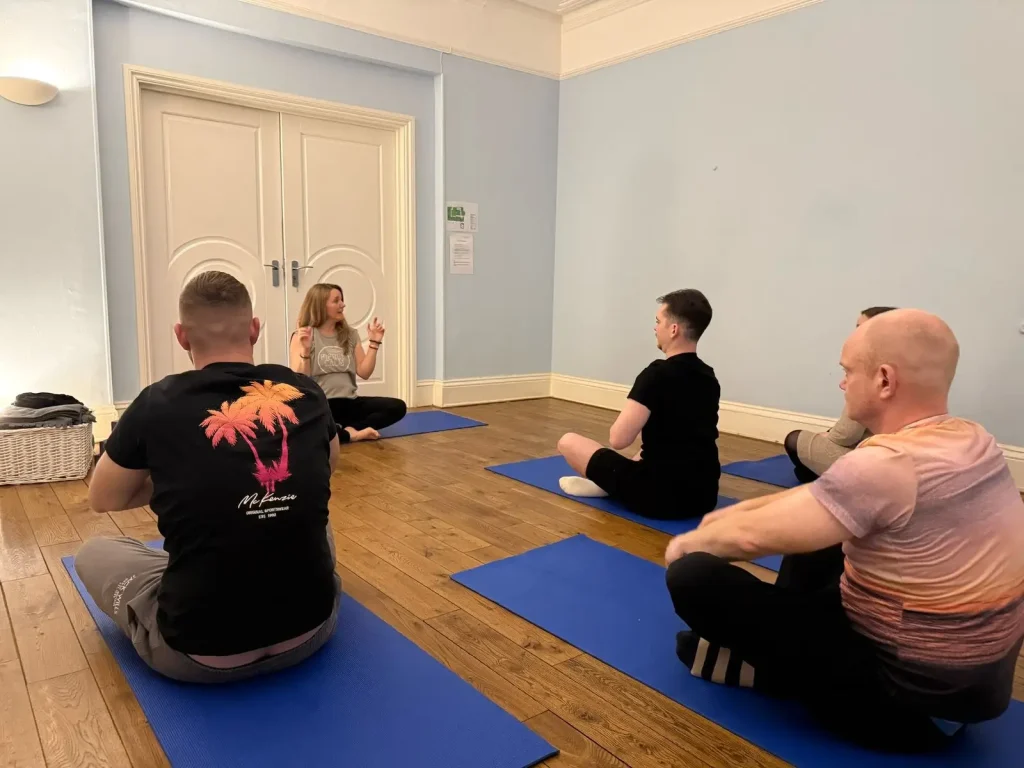
Therapies such as yoga, guided breathwork and mindfulness help calm the nervous system and bring awareness back into the present moment. Many clients describe feeling grounded for the first time in years. This sense of peace supports both emotional regulation and recovery focus.

Art therapy, journalling and music sessions offer a different kind of communication: one that bypasses analysis and lets emotions surface safely. Clients often find that creating, rather than speaking, helps them process experiences that felt unreachable before.

Nourishing the Whole Person

Holistic therapies are not add-ons; they are central to the healing process. Combined with good nutrition, rest and community connection, they help rebuild the body’s natural rhythm.

A Lived Example: Rediscovering Safety

When Sophie arrived at Abbington House, she was exhausted, physically, mentally and emotionally. Years of relying on cannabis and alcohol to cope with stress had left her anxious and detached. The thought of therapy made her nervous; she wasn’t sure she’d be able to open up or even trust the process.

In her first sessions, Sophie’s therapist focused on helping her feel grounded, using breathing, mindfulness and gentle conversation to reinforce that sense of safety. Over time, she began to explore the emotions she’d spent years avoiding: fear and shame. Group therapy showed her she wasn’t alone and art sessions helped her express feelings that words couldn’t reach.

By the end of treatment, Sophie described therapy as “the first place I ever felt safe enough to be honest.” Her confidence grew, her sleep improved and she learned how to manage difficult feelings without turning away from them.

Her story reflects what so many clients experience at Abbington House, therapy that isn’t about forcing change, but creating the safety where change can happen naturally.

Continuing Emotional Support After Treatment

Recovery doesn’t end when you leave residential care. The same emotional tools that help clients heal in rehab become even more important once they return to everyday life. That’s why ongoing support is built into every treatment plan from day one.

Our aftercare programme ensures that the therapeutic relationship continues long after discharge. Clients can attend weekly alumni groups, relapse-prevention sessions or one-to-one therapy follow-ups, all designed to keep recovery strong and emotionally steady.

For many, these sessions become a lifeline; a space to share challenges, celebrate milestones and reconnect with others who truly understand. The same emphasis on safety, honesty and compassion carries through, helping clients apply what they’ve learned to real-world situations..

Why Choose Abbington House for Therapy 

Choosing a rehab is about more than finding a place to stay. You need to find people you can trust. At Abbington House, our therapy programme is built on compassion, clinical excellence and lived understanding. We know that lasting recovery depends on emotional healing as much as physical change.

What sets us apart is the way therapy and emotional support are woven through everything we do. From your first day, you’re surrounded by professionals who understand recovery from both sides, both clinically and personally. Many of our team have walked this path themselves, and bring that empathy to every interaction.

Clients often tell us that therapy at Abbington House feels different:

  • It’s safe, not clinical.
  • It’s supportive, not confrontational.
  • It’s personal, not prescriptive.

Our focus is always on helping you feel understood, grounded and capable of building a life that feels meaningful again

Taking the Next Step

Therapy in recovery is about more than talking. It’s an opportunity for you to rediscover who you are behind the noise of addiction. With the right support, you can learn to understand your emotions, rebuild trust and live with calm and confidence again.

At Abbington House, you don’t have to face that process alone. Our therapists and support team will be helping you feel safe and understood. Whether you’re taking your first step toward treatment or returning to recovery after a setback, we’ll meet you where you are and help you move forward with compassion and clarity.

Frequently Asked Questions

At Abbington House, therapy includes both one-to-one and group sessions. Clients engage in evidence-based approaches such as CBT (Cognitive Behavioural Therapy), DBT (Dialectical Behaviour Therapy), trauma-informed care, and mindfulness-based therapies. These are combined with holistic methods like yoga, art therapy, and guided meditation to support emotional regulation and self-awareness.

Yes, but therapy at Abbington House isn’t something “forced on you.” It’s a collaborative process tailored to your needs and pace. Sessions are structured around your goals, readiness and comfort, helping you explore the emotional and behavioural patterns behind addiction in a safe and supportive way.

Therapy helps you understand why substances became a coping mechanism and teaches new ways to manage stress, emotions and relationships. It gives you the emotional tools to stay grounded through cravings or difficult moments, replacing avoidance or self-criticism with self-awareness and control.

Yes. Many clients come to us with past experiences of trauma that have shaped their addiction. All our therapists are trauma-informed, meaning they prioritise safety, consent and empowerment. Sessions may include grounding techniques, mindfulness and gentle exploration to help process trauma safely.

Counselling focuses on listening and support, while therapy also explores patterns, behaviours, and underlying causes. At Abbington House, the two often overlap because clients receive both emotional support and clinical intervention to help them make real, lasting change.