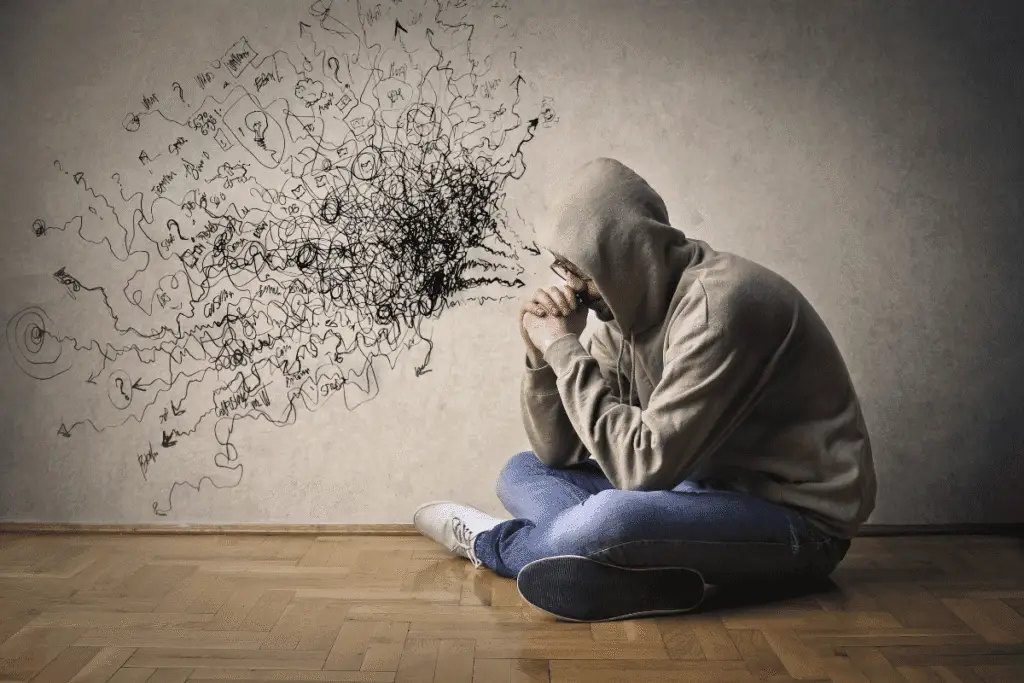
Think about the practical side of hiding addiction for a moment. The planning around when you can use, when you cannot, and how to avoid being noticed. The excuses that need to be ready in advance. The decisions about where things are kept, who might notice changes in your mood, whether your voice sounds different, whether somebody is asking too many questions.
A lot of people spend huge amounts of mental energy monitoring themselves without fully realising how constant it has become. You start thinking ahead all the time. Who is safe to be around. Which situations feel risky. Whether you can get through a social event without needing to leave early or use beforehand. Even ordinary parts of life can start revolving around protecting the addiction from being seen too clearly.
And over time, that level of management becomes exhausting.
What many people eventually realise is that the hiding isn’t separate from the addiction itself. It becomes part of the system keeping it going. If nobody looks at it directly, then nothing has to change yet. That is why people can feel deeply tired long before they fully understand where the exhaustion is coming from.
“But I’m managing it, so it can’t be that serious”
The logic feels solid because you’re holding down work. The people closest to you mostly don’t know, or don’t know the extent of your problem. You haven’t lost the things that people lose in the movies: the job, the house, the relationship, the dramatic unravelling. So whatever this is, it can’t be that serious. Serious would be visible and far messier than this. The very fact that you’re keeping all the plates in the air must mean the plates aren’t really that heavy.
Look at what that argument is actually made of, though, because it’s the clearest proof of everything said above. You’re using the success of the concealment as evidence that there’s nothing serious going on. But the concealment workingis the load-bearing structure doing its job, and it’s working so well it has become invisible even to you.
People without something to hide don’t spend time monitoring how they look, thinking carefully about what they say, planning explanations in advance, or managing who might notice changes in their behaviour. When that level of management becomes normal, it can stop looking serious from the inside simply because it has become familiar.
The same thing often happens with physical withdrawal. A lot of people assume that if they are not visibly ill or physically dependent, then their addiction cannot be that serious. But addiction is not only measured by physical withdrawal symptoms. Many people are psychologically dependent long before severe physical symptoms appear. If that doubt feels familiar, it may help to read more about whether you can be addicted without being in physical withdrawal.
There is also another side to hiding addiction that people often underestimate. Keeping it hidden usually means keeping track of explanations, omissions, or small lies that gradually build up over time. Not always dramatic dishonesty, but constant adjustments to keep other people from seeing the full picture. Carrying that mentally and emotionally can become exhausting in its own right.
Why Hiding It Starts to Feel Necessary
By this point, many people can recognise that the secrecy around addiction has become more than just occasional lying or covering things up. It becomes a way of keeping life stable enough to continue as it is. That is why being honest about it can feel so frightening, even when part of you knows something needs to change.
A lot of the reactions people feel around addiction are protective rather than calculated. The quick explanation when someone asks a difficult question. The instinct to minimise things. The relief when attention moves elsewhere. These responses often become automatic over time, especially when someone has spent months or years trying to avoid judgement, conflict, fear, or consequences.
That doesn’t mean someone is fundamentally dishonest. More often, it means they have adapted to protecting something they are not yet ready to fully face or lose.
The difficult part is that secrecy can start to feel safer than honesty, even when the addiction itself is spiralling. Many people become frightened that if the truth is fully acknowledged, everything will collapse around them. But in reality, what you usually feel first is the pressure easing slightly once you stop pretending.
A lot of the exhaustion people feel in addiction doesn’t just come from substances themselves. It also comes from the constant monitoring, managing, hiding, worrying, explaining, and trying to appear okay while struggling privately. Anyone living under that kind of pressure for a long period of time would feel drained by it.
What Happens When You Stop Hiding
People imagine that opening up about addiction has to involve a dramatic confession, hitting crisis point or completely turning life upside down overnight. But for many people, the first step is much smaller than that. It can simply be telling someone that things aren’t as manageable as they have been pretending they are.
That is part of why speaking to someone in a confidential, non-judgemental setting can feel so different from the fear people carry beforehand.
For many people, treatment or therapy is the first place they stop feeling responsible for managing how they appear every second. They don’t have to constantly minimise, explain away or carefully control what other people see. That alone can feel unfamiliar at first.
If you want to understand what that support can actually look like before making any decisions, it may help to read more about the therapy at the centre of treatment here. Not as a commitment to anything, but simply as a way of seeing what recovery support is actually designed to do.
A lot of people only realise how exhausting the hiding had become once they no longer have to keep doing it all the time.