Many people think rehab is only about getting sober. But the truth is, sobriety is just the beginning. Real recovery happens when you start to rebuild the parts of yourself that addiction took away – your confidence, your health, your relationships and your sense of purpose.

For many people, the idea of rehab starts and ends with one goal: getting sober. And while that’s an essential part of recovery, it’s only the first step. True healing goes much deeper than simply removing drugs or alcohol. You want to rebuild a life that doesn’t need them anymore.
Sobriety opens the door. What happens next is where real recovery begins. Once your body and mind start to stabilise, you finally have space to look at what’s underneath: the stress, the fear, the self-doubt or the pain you’ve been carrying for years.
Rehab gives you time to pause so you can better understand yourself in a way that isn’t possible in the chaos of everyday life.
At Abbington House, we see sobriety as the foundation, not the finish line. The goal isn’t simply to help you quit; it’s to help you feel whole again. Through therapy and connection, our clients are ready to rediscover who they are beyond addiction.
Sobriety helps clear the fog, and what’s revealed can feel unfamiliar at first. Many people expect to feel instantly better once they stop drinking or using drugs, yet that’s often when the emotions start to surface. Guilt, grief, anger, loneliness, all the feelings that substances kept at bay suddenly demand attention.
Rehab gives you the time and support to face them safely. Through therapy, you begin to understand what drove your addiction, whether it was trauma, anxiety or emotional pain. That understanding is where healing begins.
At Abbington House, our aim is to help you recognise and understand unhealthy patterns, make sense of your story and learn to sit with emotions instead of trying to numb them. You start to replace self-criticism with compassion, to forgive yourself for surviving the only way you knew how.
Addiction takes a toll on both body and mind, often in ways you don’t fully see until you stop. In the first days of rehab, simple things like sleeping through the night or waking up without dread can feel like miracles. As your body begins to heal, your mind follows.
Physically, you start to feel clearer, stronger, and more alive. A structured routine, regular meals, and restorative sleep help repair the damage that substances left behind. Many people notice improvements in their energy, concentration, and even their skin and digestion within weeks.
Mentally, the difference can be even more profound. Anxiety and depression often ease once your brain chemistry begins to rebalance. With therapeutic and medical support, you learn how to manage difficult emotions without needing to escape from them.
At Abbington House, recovery includes care for every part of you. Alongside therapy and detox, clients benefit from good nutrition, rest, gentle movement and psychological support. It’s about rebuilding the foundations of health, not just removing the problem, but restoring balance to your life.
Addiction quietly strips away your confidence. You stop trusting your own judgement and forget what it feels like to succeed at something. Even small things like making a phone call or showing up on time can feel impossible.
Rehab gives you the structure and space to rebuild that self-belief one step at a time. Each day of showing up and following routine reminds you that you can follow through. Every small act of honesty and accountability becomes evidence that you’re stronger than you think.
As you progress, you start to see yourself differently. The shame begins to soften, replaced by pride in what you’ve survived and hope for what’s next.
At Abbington House, we want to help you rediscover your confidence. Through therapy, peer connection and daily structure, our clients learn to trust themselves again. It’s one of the most powerful parts of recovery.
Addiction doesn’t happen in isolation and neither does recovery. It affects every relationship around you, often leaving behind guilt and mistrust. For many people, this is one of the most painful parts of getting help: facing the people they love and wondering if things can ever be repaired.
Rehab gives you the tools and space to begin that process gently. In treatment, you start to understand how addiction changed your relationships, not just through what you did, but through what you avoided: connection and being fully present.
Through therapy, you learn how to communicate without defensiveness or blame. You begin to listen differently, to take responsibility and to rebuild trust through actions instead of empty promises. Sometimes, that means making amends; other times, it means setting healthy boundaries for the first time.
At Abbington House, family therapy and communication work are key parts of recovery. We help clients and their loved ones navigate difficult conversations and understand each other’s perspectives so you can start again with compassion. Many rediscover what it means to connect, not through crisis, but through genuine closeness.
For many people, addiction becomes more than a habit; it becomes your identity. It fills time, numbs pain, shapes who you think you are. When the substances are gone, that empty space can feel frightening. But in truth, it’s an opportunity: a blank page waiting to be rewritten.
Rehab helps you remember who you were before addiction and discover who you want to become next. Through therapy and daily structure, you begin to reconnect with values that once mattered: honesty, kindness, creativity, family, purpose.
Many people find that as the fog lifts, things they used to love – music, exercise, art, nature, learning – start to mean something again. Some rediscover ambition and return to work with a clearer sense of direction; others rebuild from scratch, choosing peace over chaos.
At Abbington House, we believe recovery is about more than survival, you’re rediscovering who you are. Treatment is designed to help you build a life that feels worth living: one that reflects who you really are, not who addiction convinced you to be.
In early recovery, it’s common to feel like you’re walking on eggshells, afraid that one mistake could undo everything. But real recovery shouldn’t be about fear. It means learning to recognise what leads you there and knowing what to do when life gets hard.
Rehab gives you the tools to understand your triggers and emotional warning signs. You learn how to cope with stress, cravings and difficult situations before they spiral. With the right strategies, you stop feeling like you’re at the mercy of your emotions and start to feel in control of them.
Therapies like CBT, DBT and mindfulness help you respond to thoughts and feelings with awareness rather than reaction. Group therapy and peer support show you that you’re not the only one who feels this way and that relapse prevention is really about building confidence.
At Abbington House, relapse prevention is woven throughout the treatment programme. Clients leave with personalised plans, coping strategies and aftercare support through the Abbington Community.
One of the most powerful parts of recovery isn’t found in a therapy session or a treatment plan, it’s found in connection. The people you meet in rehab often become lifelong allies, the ones who truly understand what you’ve been through and what it takes to stay well.
Leaving treatment doesn’t mean leaving support behind. At Abbington House, recovery continues long after you walk out the door. Through our Abbington Community, clients stay connected with peers, mentors and staff who’ve shared the same journey.
This isn’t a formal group or a tick-box aftercare plan, we’ve created a living, breathing community. There are check-ins, alumni meetups and spaces to share milestones or struggles. For many people, it becomes a reminder that they’re never alone, that no matter how far they go, someone always understands.
Support after rehab focuses on connection. It keeps you grounded and inspired by others who are walking the same path.
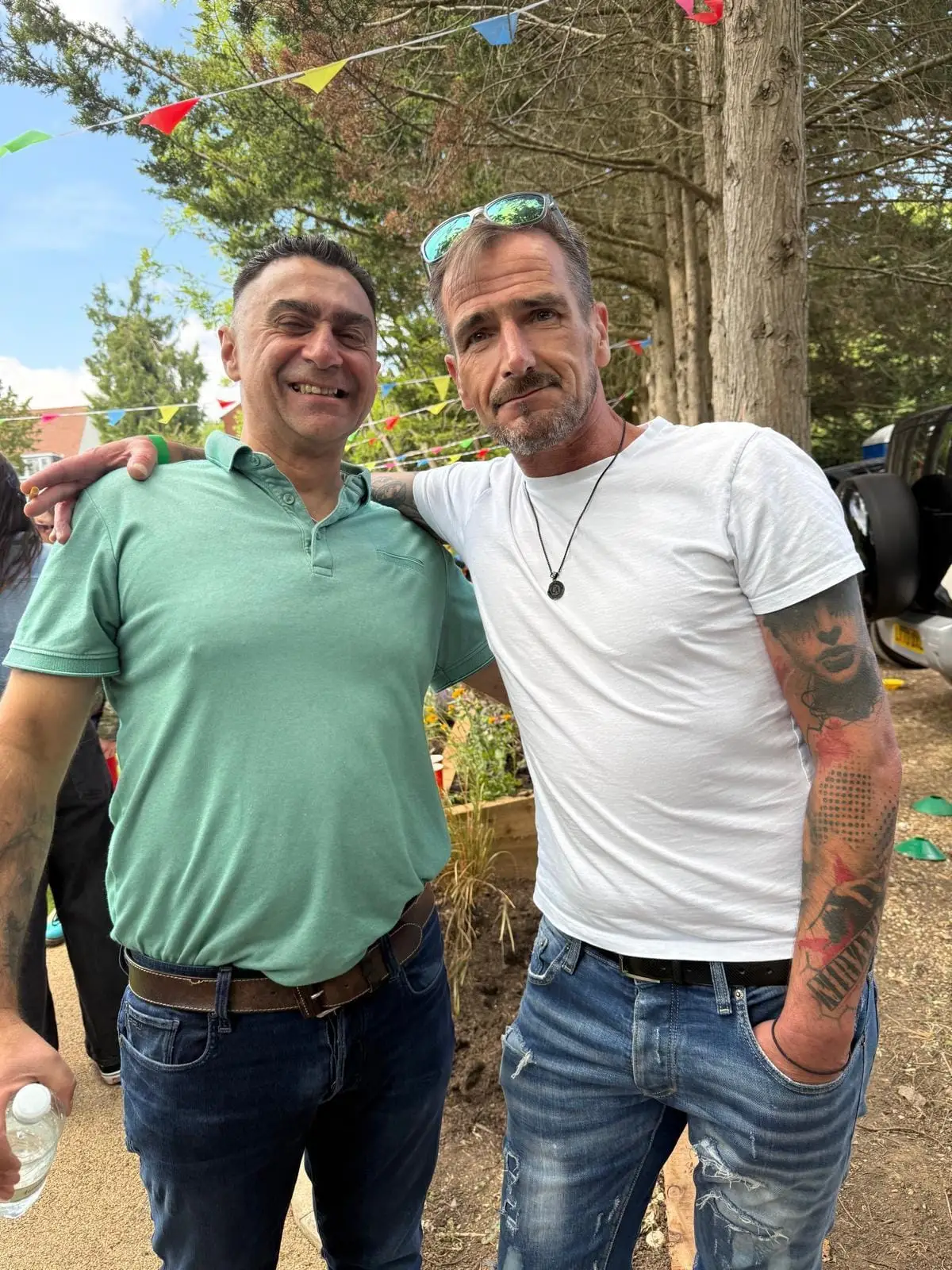
At Abbington House, we believe recovery is about restoring balance and purpose, as well as abstinence. Addiction touches every part of a person’s life, so healing has to do the same.
That’s why our programmes are built around the whole person. Alongside medical detox and therapy, clients take part in mindfulness work, nutritional support, creative activities and group connection. Every part of treatment is designed to help you feel stronger, not just sober.
Our team brings over 125 years of combined lived experience in recovery, which means we understand what it’s like to rebuild from the ground up. We don’t just teach coping skills; we model them. We know that healing doesn’t happen through lectures or punishment, it happens through connection and understanding.
By treating the whole person –body, mind and spirit – Abbington House helps clients do more than stop using. We help them remember who they are, and rediscover how to live well.
Sobriety is just the starting point. The real transformation begins when you start to heal the parts of yourself that addiction tried to silence, such as your confidence, your peace, your relationships and your sense of purpose.
Rehab is an opportunity to build something better; creating a life that feels calm and connected. Our team of experienced professionals, many of whom are in long-term recovery themselves, guide you through that process with empathy and genuine care.
You don’t have to wait until things get worse to start getting better. Whether you’re ready to begin treatment or just need someone to talk to, we’re here to help you take that first step toward something more than sobriety.

Thirty years ago, Michael Garnham couldn’t imagine a life without


We use cookies to improve your experience on our site. By using our site, you consent to cookies.
Manage your cookie preferences below:
Essential cookies enable basic functions and are necessary for the proper function of the website.
These cookies are needed for adding comments on this website.
Google Tag Manager simplifies the management of marketing tags on your website without code changes.
Statistics cookies collect information anonymously. This information helps us understand how visitors use our website.
Google Analytics is a powerful tool that tracks and analyzes website traffic for informed marketing decisions.
Service URL: business.safety.google (opens in a new window)
Marketing cookies are used to follow visitors to websites. The intention is to show ads that are relevant and engaging to the individual user.
Google Maps is a web mapping service providing satellite imagery, real-time navigation, and location-based information.
Service URL: policies.google.com (opens in a new window)
You can find more information in our Cookie Policy and Privacy Policy.