
How Residential Rehab Works
Residential rehab is a live-in form of treatment for drug and alcohol addiction, where people stay at the centre for the duration of treatment rather than attending from home. At Abbington House, that means twenty-one people, built around a minimum 28-day stay, led by people who’ve lived through addiction.
Last updated by:
Michael Williams
How treatment is delivered
Residential rehab works differently from outpatient treatment because support is continuous. Therapy does not happen for an hour before returning to the same routines, pressures, or environment that may have been keeping addiction going.
At Abbington House, treatment happens through a continuous residential stay. Detox where needed, therapy, meals, medical oversight, rest, and recovery work all happen together under one roof, so the different parts of treatment support each other rather than being split across separate appointments or services.
Stepping away from everyday life is part of how residential rehab works. Distance from familiar routines, pressures, and triggers often creates the space for treatment to begin properly.
Luke's Experience of Residential Rehab
Luke came to Abbington House for treatment. In this short video he talks about what the first week was actually like, and the changes he started to notice once he was here, from feeling disconnected and unsure he deserved to get well, to less anxiety and learning to be kinder to himself.
What happens when you arrive
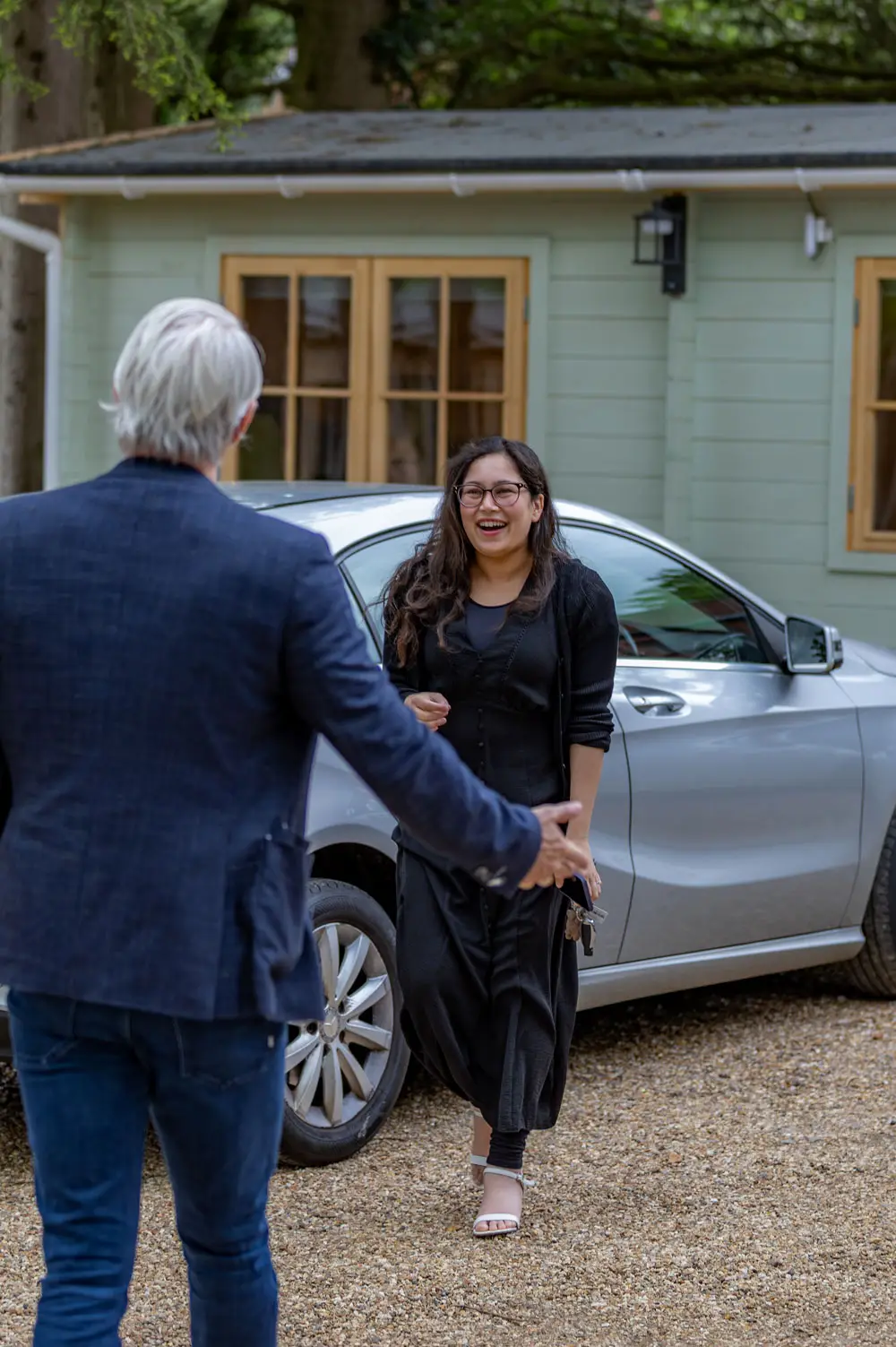
What happens when you arrive
By the time someone arrives, we already have a clear understanding of their situation through the assessment completed before admission.
The first few days are usually about settling in. People meet the team, get familiar with the house, and begin adjusting to being in treatment.
Where detox is needed, it begins under medical supervision from the start. Where detox is not needed, therapeutic work can usually begin sooner.
There is no expectation to open up immediately. Most people need a little time before they feel ready to engage fully, and the early part of treatment allows space for that. The initial focus is usually stability, routine, and settling in enough for the deeper work to begin.
What daily life looks like
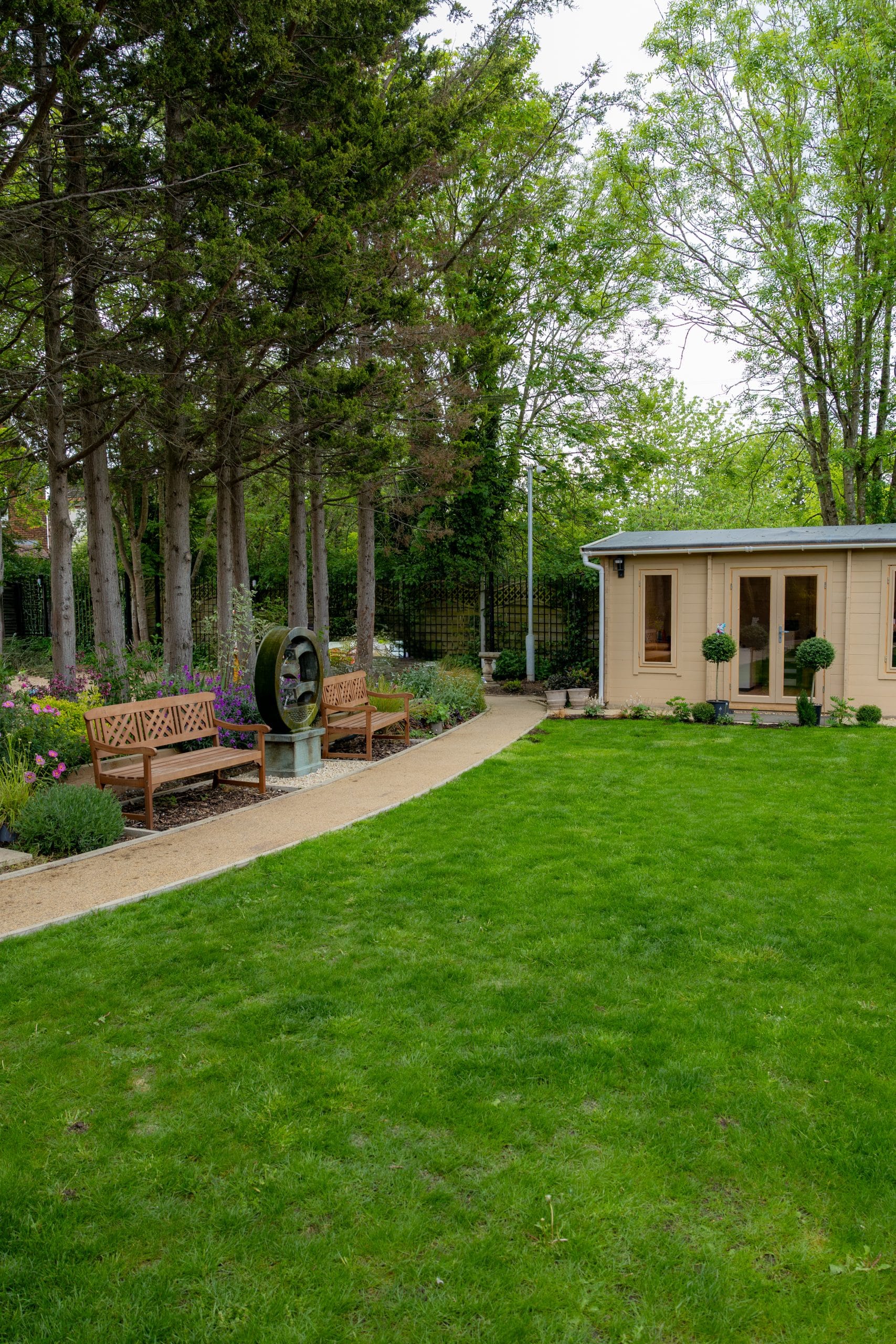
What daily life looks like
Residential rehab is structured, but it is not rigid. Days have a rhythm of therapy, meals, reflection, and shared time, balanced with space to rest.
People are moving through similar work at different stages, which often makes treatment feel less isolating than trying to stop alone.
Clinical decisions are made by qualified professionals, with day-to-day support from a team that combines clinical training with lived experience. Numbers are kept small, no more than twenty-one people at any one time, so support stays responsive rather than procedural.
Where someone's needs are different, whether through trauma, neurodivergence, anxiety, or simply how they process things, treatment adapts rather than expecting everyone to fit the same structure.
The components of treatment
Residential rehab combines several parts into one continuous stay. Each plays a different role in treatment and is explained in more detail on its own page.
Medically Supervised Detox

Medically Supervised Detox
Therapy

Therapy
Food & Nutrition

Food & Nutrition
Activities and wellbeing

Activities and wellbeing
Holistic therapies

Holistic therapies
Aftercare and the Abbington Community

Aftercare and the Abbington Community
Family Support
How long treatment lasts
Most stays are a minimum of 28 days, with 60 or 90 days where more time would help. The right length depends on the person and what support feels proportionate to what is happening.
Residential treatment is the intensive part of recovery, followed by aftercare that continues well beyond discharge. How long rehab lasts explains how treatment length can vary from person to person.