


How to judge whether a rehab is credible, the questions worth asking any provider, and the signs that separate solid treatment from places that just market well.
Last Updated: 03/06/2026
Choosing the best rehab for your situation is one of the hardest decisions a person or family makes, and it almost always happens under pressure. Most websites say the same things, “compassionate care”, “holistic approach”, “luxury setting”, and none of it tells you whether the treatment is any good, who the staff are, or what actually happens day to day.
This page is about how to tell the difference. Many of us at Abbington have worked in this field for years and been through treatment ourselves, so we know what a credible rehab looks like, and what to be wary of.
Is the Rehab CQC Registered, and What Did Inspection Find?
A building can look immaculate while the clinical care behind it is thin. Start there.
Every residential rehab in England must be registered with the Care Quality Commission (CQC). It isn’t optional. Check the registration, then read the inspection report — it gives a far more honest picture than a brochure, including any areas where improvements were identified. It’s reasonable to ask a centre how it responded to anything raised, and whether it has had enforcement actions or safeguarding incidents. A well-run service will talk about this openly. Evasiveness should concern you.
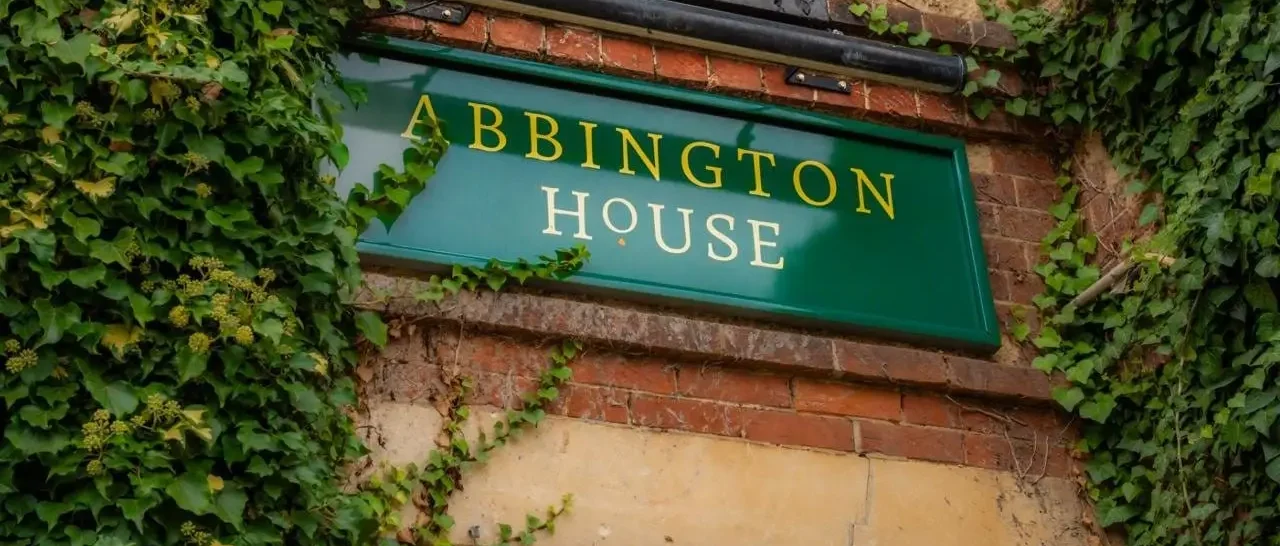
Abbington House is CQC registered under Provider ID 1-17917671768, and we’re happy to talk through what our inspections found.
Who Are the Staff?
“Experienced, compassionate team” appears on almost every rehab website and tells you nothing. These are the questions that do.
What is the staff-to-client ratio? A centre with dozens of people cannot offer the attention of a small one. We work with a maximum of twenty-one people at any time, so each person is known rather than managed.
Are the therapists accredited? Look for registration with bodies like the BACP or UKCP, and ask whether there is medical oversight — particularly if withdrawal, medication, or mental health are part of the picture.
Does anyone on the team have lived experience of recovery? It isn’t essential for every role, but it changes the room. Support tends to land differently when it comes from someone who has been through it.
Do They Treat Mental Health Alongside Addiction?
This matters more than almost anything else on this page, and it’s where many centres fall short.
Addiction rarely travels alone. Depression, anxiety, trauma, ADHD and other conditions often sit underneath it, and a rehab that treats only the substance use tends to see progress that doesn’t hold.
Ask directly whether a centre offers dual diagnosis treatment — then ask what that actually involves. Some mention it without the clinical structure to support it. Treatment should reflect the whole picture from the start, rather than addressing addiction in isolation and hoping the rest settles later.
At Abbington House, dual diagnosis is central to how we work.
How Do You Read the Reviews?
Reviews help, but only read carefully.
Look for specifics. Do people describe how they were treated? Do they name staff? Do they say what changed? Generic praise tells you little; detailed accounts tell you a lot. Check independent platforms like Google and Doctify, not just the centre’s own site.
It’s also worth paying attention to how recent reviews are, whether they describe specific experiences, and whether concerns raised in negative reviews receive a thoughtful response.
Are Costs Transparent?
Make sure you understand exactly what’s included in the quoted fee and whether anything is charged separately. Our costs page explains the differences in more detail.
What Happens After Treatment?
Ask what support is available after discharge, and for how long. Recovery continues well beyond a residential stay, so it’s worth knowing what ongoing support a centre actually provides rather than assuming there is any.
Red Flags to Watch For
Some warning signs are worth taking seriously:
- Pressure to commit quickly
- No assessment before admission
- Vague answers about staff or qualifications, or reluctance to share information
- No CQC registration
- Promises of guaranteed results or a quick fix
- Unclear pricing, or core elements charged as extras
- The same fixed schedule for everyone, regardless of need
- Detox offered without any therapy
Can You Visit First?
If it’s possible, visit before deciding. A website can’t show you how a place feels — the environment, the team, whether it’s somewhere you could settle. Time isn’t always on your side when arranging treatment, so this won’t be an option for everyone, but it’s worth asking.
A Summary of What to Ask
- Are you CQC registered, and what did your last inspection find?
- What is your staff-to-client ratio?
- Are your therapists accredited, and is there medical oversight?
- How do you assess whether someone is suitable?
- Do you treat mental health alongside addiction?
- What does a typical day involve?
- What is included in the fee, and what is charged separately?
- What aftercare do you offer, and for how long?
- Can I visit before deciding?
- What happens if someone relapses?
If You’re Still Unsure
If you’re weighing up private rehab, talking it through with someone who understands how treatment actually works can make the decision clearer.
Our team is there for a confidential conversation. Whether you choose Abbington House or not, we’ll help you understand your options and what to look for.
- Call 01438 583222 or get in touch online.