
Learn how ADHD and Rejection Sensitive Dysphoria (RSD) impact addiction relapse and how Abbington House supports neurodiverse recovery.
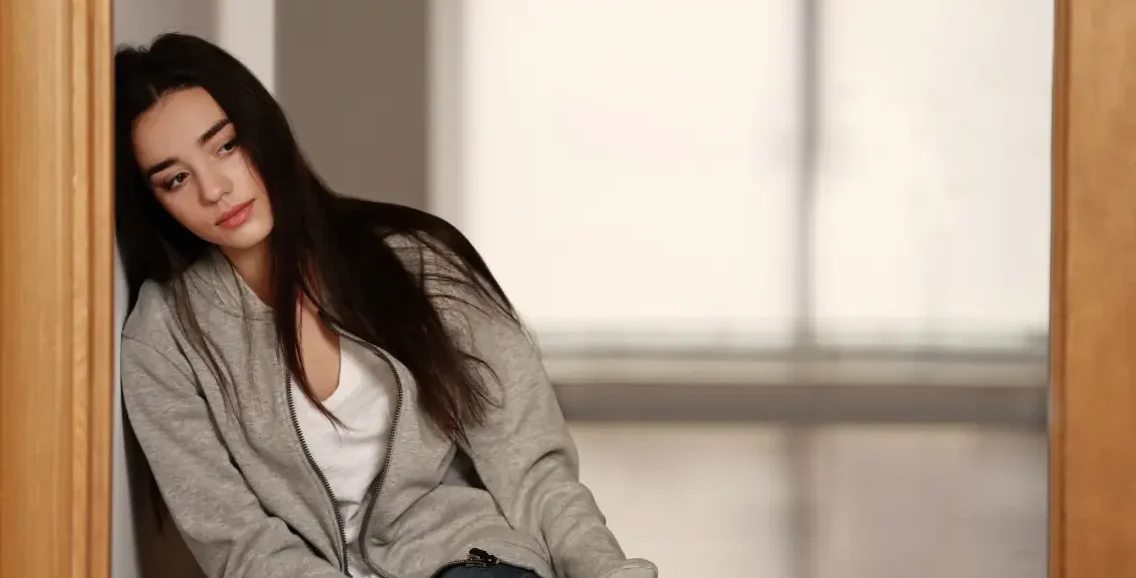
This page is designed to help you understand how Rejection Sensitive Dysphoria (RSD) can affect people in addiction recovery, especially those with ADHD or traits of neurodivergence. It is not a substitute for clinical advice.
Rejection Sensitive Dysphoria refers to an intense emotional sensitivity to perceived criticism, rejection or failure. For many people, particularly those with ADHD, these feelings can become overwhelming – leading to emotional shutdown, self-sabotage or relapse.
At Abbington House, we’ve seen how RSD can be a hidden but powerful factor in why some clients struggle to stay in treatment or maintain sobriety. Unlike typical relapse triggers such as cravings, social pressure or environmental cues, RSD is internal. It’s emotional. And often, it goes unnoticed – even by the person experiencing it.
Whether you’ve been diagnosed with ADHD or not, if you’ve ever found yourself spiralling after what seemed like a small interaction, withdrawing from support or using substances to escape emotional pain – this may be relevant to you.
This page will explore:
- What RSD is and how it works
- Why it’s common in people with ADHD
- How it can contribute to relapse in early recovery
- What support strategies actually help
- How Abbington House works with RSD as part of ADHD-informed treatment.
- You’ll also hear insights from Rob, a member of our team who lives with ADHD and have personal experience with addiction recovery. His perspective helps shape how we talk about neurodiversity, emotional regulation and sustainable healing.
If you’re looking for answers about why emotional overwhelm keeps getting in the way of your recovery – or someone else’s – this is a good place to start.
What Is Rejection Sensitive Dysphoria (RSD)?
Rejection Sensitive Dysphoria (RSD) is a term used to describe the intense emotional pain some people experience in response to perceived rejection, criticism or failure. While not officially listed as a clinical diagnosis, RSD is widely recognised by ADHD specialists, clinicians and individuals with lived experience – particularly those navigating addiction and recovery.
For someone with RSD, even a minor comment, neutral facial expression or delayed reply can trigger a strong internal reaction. These responses often include:
- Sudden waves of shame, humiliation or self-doubt
- Anxiety or panic about being disliked, excluded or abandoned
- Emotional shutdown, self-sabotage or impulsive behaviour
- Persistent rumination or overthinking of small social interactions.
In short: RSD isn’t just about “taking things personally.” It’s a neurobiological sensitivity that can feel overwhelming and destabilising – especially in early recovery, when emotional resilience may already be low.
How RSD Connects to ADHD
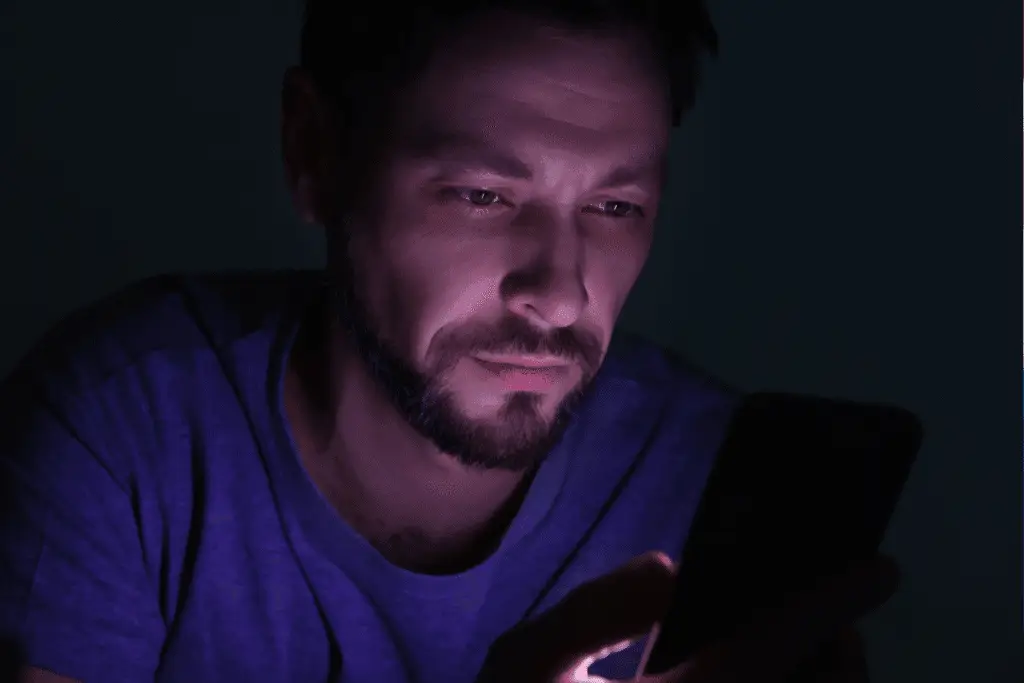
RSD is most commonly associated with ADHD. People with ADHD often struggle with emotional regulation, heightened sensitivity to social dynamics and a long history of feeling misunderstood, criticised or “too much.” These experiences can create a deep fear of rejection – and when triggered, it can lead to emotional overdrive.
While not everyone with ADHD experiences RSD, many do, and for some, it’s the single most disruptive emotional challenge they face.
At Abbington House, we often hear clients describe situations like:
“I felt like everyone was judging me in group.”
“I thought the therapist didn’t like me.”
“I convinced myself I’d ruined my chance here.”
These aren’t overreactions. They’re examples of how RSD feels in real time and why it matters so much in the context of recovery.
In the next section, we’ll look at how RSD can directly contribute to relapse, especially when left unrecognised or unsupported.
How Rejection Sensitive Dysphoria Shows Up in Daily Life
For people living with ADHD, Rejection Sensitive Dysphoria can influence everyday interactions in ways that others might not notice. What seems small or neutral to someone else can feel overwhelming to a person with RSD.
Common examples include:
- Group settings: Misinterpreting facial expressions or tone of voice as judgment or exclusion.
- Communication: Believing a late reply or short message means someone is angry or rejecting.
- Feedback: Receiving constructive criticism but experiencing it as humiliation or failure.
- Relationships: Withdrawing suddenly or cutting people off out of fear of being abandoned first.
These responses are the result of how the ADHD brain processes rejection and perceived social threats. The emotional pain is genuine and often described as physical – like a “punch in the chest” or a “wave that knocks everything over.”
Why It Matters in Recovery
In addiction treatment, these intense emotional reactions can create extra challenges. A client might:
- Leave group therapy because they felt misunderstood.
- Stop engaging with staff after receiving feedback.
- Convince themselves they “don’t belong” in treatment, even when progress is being made.
Without recognising RSD, these behaviours can easily be misinterpreted as resistance, lack of motivation or unwillingness to engage. In reality, they are signs of deep emotional distress.
Why Standard Relapse Prevention Doesn’t Always Work for RSD
Most relapse prevention plans are built around identifying external triggers: avoiding certain places, limiting contact with using friends, managing cravings and creating structured routines. While these strategies are important, they don’t always account for the unique challenges faced by people with ADHD and RSD.
The Gap in Traditional Planning
Standard approaches often overlook the fact that relapse can be triggered by internal emotional reactions, not just by external situations. For someone with RSD, the most dangerous moments aren’t always the obvious ones, like walking past a pub or feeling stressed at work. They can come from:
- A group therapy discussion that feels personal
- Constructive feedback that’s experienced as criticism
- An everyday misunderstanding that sparks feelings of rejection.
- If these emotional triggers aren’t recognised and included in relapse prevention, the individual may be left without tools to handle them.
- Misinterpretation by Support Teams
In some treatment settings, RSD reactions may be misread as:
- Defiance
- Lack of motivation
- “Attention-seeking” behaviour.
This misunderstanding can cause further shame and disconnection, increasing the risk of relapse. What’s really happening is not resistance; it’s emotional dysregulation that hasn’t been named or addressed.
What’s Needed Instead
- Effective relapse prevention for people with ADHD and RSD requires:
- Education – clients need to know what RSD is and how it can affect recovery.
- Validation – staff and peers should respond with understanding, not judgment.
- Tailored coping strategies – specific tools for calming emotional floods, reframing thoughts and asking for help.
When relapse prevention planning includes emotional safety alongside practical avoidance strategies, recovery becomes more realistic and sustainable.

How Abbington House Supports Clients with ADHD and RSD
At Abbington House, we recognise that neurodivergent clients often face unique challenges in recovery. Rejection Sensitive Dysphoria can be one of the most significant, yet it’s often overlooked in traditional treatment models. That’s why our programmes are designed to be ADHD-informed, with an emphasis on emotional safety as well as practical relapse prevention.
Our Approach Includes:
Psychoeducation: We help clients put a name to what they’re experiencing. Understanding RSD reduces shame and helps people see patterns in their responses.
Therapeutic Support
Our clinicians use evidence-based therapies such as CBT and DBT, adapted to support emotional regulation and impulsivity. Sessions focus not only on substance use, but also on how rejection sensitivity affects self-esteem and relationships.
Safe, Consistent Communication
Staff are trained to provide feedback in ways that avoid unnecessary triggers. This means being clear, compassionate and predictable so clients feel supported, not judged.
Peer Connection
Group therapy is structured to build trust. Clients are encouraged to share experiences of rejection sensitivity, helping to normalise these feelings and reduce isolation.
Family Involvement
Families are given tools to understand RSD and respond without dismissing or criticising. This creates a stronger support system at home, where rejection sensitivity often shows up most powerfully.
Why This Matters
By acknowledging RSD as a real factor in recovery, we reduce the risk of emotional overload leading to relapse. More importantly, clients feel understood – which is essential for building trust, confidence and long-term resilience.
Practical Tools for Managing RSD in Recovery
Understanding Rejection Sensitive Dysphoria (RSD) is only the first step. The next step is learning how to manage the intense emotions it brings, especially in recovery, where the risk of relapse can be high. At Abbington House, we introduce clients to strategies that can be used both during treatment and after returning home.
Key Coping Strategies:
Name the Reaction: Simply identifying an RSD episode (“this feels like rejection sensitivity”) can reduce shame and create space to pause before reacting.
Pause and Reframe
Encouraging clients to delay impulsive actions – like walking out of group or cutting off a relationship – helps break the cycle. Reframing the situation (“maybe they’re tired, not angry”) can prevent automatic negative conclusions.
Grounding Techniques
Breathing exercises, sensory grounding, or mindfulness practices help calm the nervous system during emotional floods.
Safe Check-Ins
Creating a plan to contact a trusted peer, therapist, or sponsor when RSD is triggered helps stop the spiral from turning into relapse.
Structured Routine
ADHD-friendly routines with visual reminders and clear expectations help reduce uncertainty, which can otherwise amplify rejection sensitivity.
Compassionate Self-Talk
Replacing thoughts like “I’ve ruined everything” with “This is hard, but it will pass” supports emotional resilience.
Building These Into Treatment
These tools are not taught in isolation. They’re practised in real scenarios, role-played in groups, and reinforced during one-to-one sessions. The goal is for clients to leave with strategies that feel realistic, personal and adaptable outside the clinic.
How RSD Is Misinterpreted in Treatment Settings
One of the biggest challenges with Rejection Sensitive Dysphoria (RSD) in recovery is that it often goes unrecognised or is misunderstood by staff, peers, or even the individual themselves.
Common Misinterpretations
Resistance to treatment: Leaving group or disengaging after feedback may be seen as unwillingness, when it’s actually a rejection response.
Lack of motivation: Emotional shutdown can look like disinterest, when in reality the client feels overwhelmed or ashamed.
Defiance or manipulation: Emotional outbursts are sometimes labelled as attention-seeking, rather than understood as the result of an RSD trigger.
Why This Matters
When RSD reactions are misinterpreted, the response is often blame or frustration. This increases shame, damages trust, and can push clients further away from recovery. For someone already feeling “too much” or “not good enough,” being misunderstood can reinforce the very sensitivity that caused the reaction in the first place.
What Helps Instead
- Treatment settings that are aware of RSD take a different approach:
- Validation before redirection: Acknowledging the pain first, then guiding towards healthier responses.
- Clear and predictable communication: Reduces the chance of clients misinterpreting feedback as rejection.
- Staff training on ADHD and RSD: Ensures responses are compassionate, not punitive.
At Abbington House, we see RSD not as a barrier to treatment, but as a real part of the recovery picture that deserves the same attention as cravings, triggers or withdrawal symptoms.

RSD and Relapse After Treatment
Completing residential treatment is a major achievement, but it also marks the start of a vulnerable period. For people with ADHD and Rejection RSD, the transition out of structured care can bring new challenges that increase the risk of relapse.
Why RSD Becomes Riskier After Treatment
- Loss of structure: Without the daily routine and consistent feedback of treatment, small setbacks can feel much bigger.
- Everyday triggers: Misinterpreted texts, workplace stress, or conflicts at home may spark strong rejection reactions.
- Less immediate support: In treatment, staff can validate and regulate emotional responses quickly. At home, this safety net may not be there.
Common Post-Treatment Scenarios
- Withdrawing from aftercare or support groups after feeling judged or excluded.
- Relapsing after a family conflict, even when the disagreement was minor.
- Avoiding therapy sessions due to fear of criticism.
Why Aftercare Needs to Address RSD
Traditional aftercare often focuses on relapse triggers such as cravings, stress management, and lifestyle changes. While essential, these plans may leave neurodivergent clients unprepared for the unique emotional triggers of RSD.
At Abbington House, aftercare planning for clients with ADHD and RSD includes:
- Clear strategies for handling rejection triggers in daily life.
- Support networks that understand and validate neurodiverse experiences.
- Continued access to psychoeducation and ADHD-informed therapy.
By addressing RSD directly, aftercare becomes more realistic – giving clients the tools they need to sustain recovery outside the safety of treatment.
Therapeutic Approaches for ADHD and RSD in Recovery
Supporting clients with Rejection Sensitive Dysphoria (RSD) requires more than standard addiction treatment. Because RSD is tied to emotional regulation and social sensitivity, therapies need to address both substance use and the underlying responses that fuel relapse risk.
Evidence-Based Therapies That Help
Cognitive Behavioural Therapy (CBT)
Helps clients identify distorted thought patterns linked to rejection (“They don’t like me,” “I’ve ruined everything”) and replace them with more balanced perspectives.
Dialectical Behaviour Therapy (DBT)
Provides practical skills for emotional regulation, distress tolerance, and mindfulness, beneficial for calming intense RSD reactions before they lead to impulsive behaviour.
Trauma-Informed Care
Many clients with ADHD and RSD carry long histories of feeling criticised or excluded. Trauma-informed therapy validates these experiences instead of minimising them, reducing shame and self-blame.
ADHD Psychoeducation
Teaching clients how ADHD impacts emotions, impulsivity and social sensitivity helps normalise their experience. Naming RSD is often a huge relief.
A one-size-fits-all model rarely works for neurodivergent clients. Without adjustments, group therapy can feel unsafe, feedback can feel like rejection, and clients may disengage. By adapting therapy to account for ADHD and RSD, treatment becomes not just more effective, but more humane.
At Abbington House, our therapeutic approach combines evidence-based methods with lived understanding. Several members of our team have ADHD and know addiction personally. This allows us to design programmes that are practical, compassionate and truly inclusive.
Therapy provides the foundation, but recovery requires practical, real-world tools that clients can use when rejection sensitivity is triggered. At Abbington House, we focus on giving people with ADHD and RSD clear strategies they can take with them beyond treatment.
ADHD-Friendly Coping Skills
Name the Reaction
Recognising “this is RSD” helps reduce shame and creates space before acting impulsively.
Delay the Response
Encouraging clients to wait before reacting – whether to a text, a comment, or a group dynamic – prevents immediate escalation.
Reframe the Situation
Learning to consider alternative explanations (“maybe they’re busy, not angry”) helps reduce catastrophising.
Grounding Exercises
Breathing, sensory grounding or short mindfulness practices help regulate the nervous system during emotional floods.
Building Emotional Safety Into Daily Life
Safe Check-Ins: Having a trusted person to call when spiralling begins can stop small triggers from turning into relapse.
Structured Routines: ADHD-friendly structure (visual reminders, consistent schedules) reduces uncertainty and stabilises mood.
Self-Compassion Statements: Replacing self-blame with phrases like “this feels hard, but it will pass” supports long-term resilience.
Practising These Tools in Treatment
These strategies aren’t just discussed; they’re rehearsed in real time. Clients role-play scenarios in groups, use grounding during therapy, and create personalised “RSD response plans.” This ensures that when difficult emotions hit outside the clinic, they already have practical tools ready to use.
The Role of Family Education in Supporting ADHD and RSD
Recovery doesn’t happen in isolation. For people with ADHD and Rejection Sensitive Dysphoria (RSD), the way family members respond can make a huge difference in whether emotional triggers lead to growth or relapse.
Why Families Need to Understand RSD
Many families see emotional intensity and assume it’s a choice or a personality trait. They might say things like “you’re overreacting” or “you just need thicker skin.” While well-meaning, these responses can reinforce shame and make the individual feel even more misunderstood.
By learning about RSD, families can begin to see emotional crashes not as drama or manipulation, but as a real, neurobiological response that deserves compassion.
Practical Tools for Families
At Abbington House, our family programme helps loved ones:
- Recognise RSD triggers: Understanding what rejection sensitivity looks like in daily life.
- Respond with validation: Acknowledging feelings before problem-solving reduces shame and defensiveness.
- Communicate clearly and predictably: Minimising vague or ambiguous language that can spark spirals.
- Encourage, don’t criticise: Focusing on strengths rather than weaknesses helps rebuild self-esteem.
Why This Matters for Recovery
When families understand RSD, they become part of the solution instead of part of the trigger. A supportive home environment reduces relapse risk, strengthens trust, and helps the individual feel safer in recovery.
Medication, Mindfulness and Holistic Support for RSD
Managing Rejection Sensitive Dysphoria (RSD) often requires a combination of approaches. While therapy and coping strategies are central, other supports – including medication and holistic practices – can play an important role in reducing the emotional intensity that fuels relapse risk.
Medication and ADHD in Recovery
For some people with ADHD, stimulant or non-stimulant medications can reduce impulsivity and help regulate mood. When carefully managed, ADHD medication may also lessen the frequency or severity of RSD episodes.
- Stimulants (e.g. methylphenidate, amphetamines): Can improve focus and emotional regulation, but need careful assessment in recovery settings.
- Non-stimulants (e.g. atomoxetine, guanfacine): Sometimes used when stimulants are not appropriate or tolerated.
- Antidepressants: In certain cases, SSRIs or SNRIs may help with the anxiety and mood instability linked to RSD.
At Abbington House, medication decisions are made in consultation with medical professionals, ensuring safety for clients in recovery.
Mindfulness and Somatic Practices
Because RSD reactions are so physical – tight chest, racing thoughts, sudden panic – grounding and body-based techniques are especially useful:
- Mindfulness meditation to build awareness of thought spirals before they escalate.
- Breathing techniques to calm the nervous system during emotional floods.
- Movement practices like yoga, stretching, or walking to release physical tension.
Holistic Recovery Supports
Clients also benefit from broader wellbeing practices that support emotional stability:
- Structured sleep routines to reduce stress sensitivity.
- Balanced nutrition to help stabilise mood and energy.
- Creative outlets such as art, journaling, or music therapy provide a safe expression to strong emotions.
Why a Multi-Layered Approach Works
No single strategy eliminates RSD. But by combining therapy, medication (where appropriate) and holistic practices, clients develop a toolkit that reduces emotional overwhelm and supports long-term recovery.
Rob: Lived Insights on ADHD, RSD and Addiction
At Abbington House, our understanding of Rejection Sensitive Dysphoria (RSD) isn’t just academic. For me, it’s personal. I live with ADHD, and I know first-hand how rejection sensitivity shows up in daily life. I’ve also spent years working in the addiction treatment field, seeing how ADHD and RSD can directly influence relapse and recovery.
Many clients describe themselves as “too sensitive” or “too reactive.” I understand that from the inside. Living with ADHD means living with intensity, and for me, RSD has always magnified that, making even small interactions feel much bigger. When I first found the language for RSD, it was a huge relief. It shifted my perspective from “something’s wrong with me” to “this is part of how my brain works.”
On ADHD and RSD: RSD can make ordinary social situations overwhelming. A neutral comment, a late reply, or a small setback can feel like failure or rejection. That insight helps me recognise what clients are experiencing in treatment.
On Addiction: While I haven’t experienced addiction personally, I’ve worked closely with people who have. Again and again, I’ve seen how substances can become a way of coping with the pain of rejection sensitivity and how recovery requires new tools to manage that pain.
On Recovery: What makes the difference isn’t being told to toughen up or try harder. It’s being understood. When clients feel seen, rather than judged, they’re more likely to engage, trust the process and believe recovery is possible.
I talk about my ADHD because I want people to know we take this seriously. I know how painful RSD can feel, and I’ve seen the impact it has on addiction first-hand through years in this industry. That combination of personal and professional experience helps us shape a recovery environment at Abbington House where people don’t feel dismissed, they feel understood.
Client Perspectives: What RSD Feels Like in Recovery
Hearing from people who live with RSD can make its impact much easier to understand. At Abbington House, many clients with ADHD describe their experiences in ways that highlight just how overwhelming – and misunderstood – rejection sensitivity can be.
In Their Own Words
“One comment in group and I was convinced everyone hated me. I wanted to walk out and never come back.”
“It wasn’t the craving that got me. It was the feeling that I’d let everyone down. That shame is unbearable.”
“I thought the staff didn’t like me, so I stopped talking to them. Looking back, I realise it was my RSD, not reality.”
“For years I thought I was just too sensitive. Finding out there’s a name for it made me feel less broken.”
These are not rare experiences. They reflect the daily reality for many people with ADHD and RSD who are working towards recovery. Without understanding what’s happening, clients may blame themselves or assume treatment isn’t working for them.
By naming RSD, validating the pain, and providing coping strategies, recovery becomes more achievable. Clients often say that simply being able to talk about rejection sensitivity without judgment is one of the most powerful steps in their journey.
Late ADHD Diagnosis and RSD in Recovery
For many people, ADHD isn’t recognised until adulthood often only after entering treatment for addiction. This means that Rejection Sensitive Dysphoria (RSD) may have been shaping their emotions and behaviours for years without a name or explanation.
Why ADHD Is Often Missed
Masking: Many people, especially women, learn to hide ADHD traits by overcompensating, overachieving, or people-pleasing.
Misdiagnosis: Emotional intensity and impulsivity may be mistaken for anxiety, depression, or borderline personality disorder.
Stigma: Growing up being labelled as lazy, overreactive or unmotivated can prevent people from recognising ADHD as the underlying factor.
The Link With Addiction
Without a diagnosis, people often turn to substances to manage symptoms:
- Stimulants like cocaine or alcohol to self-medicate emotional crashes or focus issues.
- Cannabis or sedatives to calm the nervous system when overwhelmed.
- Alcohol or drugs to escape shame after perceived rejection.
Over time, what starts as coping becomes addiction and the cycle of shame deepens.
The Turning Point in Recovery
For many clients at Abbington House, treatment is the first time ADHD and RSD are named. That recognition can be life-changing:
- It explains why past recovery attempts may have failed.
- It shifts the focus from “lack of willpower” to understanding how the brain works.
- It provides new tools and a sense of relief: “I’m not broken, my brain just works differently.”
- Late diagnosis is never too late. In fact, for many, it becomes the key that unlocks sustainable recovery.
Why Recovery Must Make Space for Emotional Sensitivity
Traditional addiction treatment often emphasises structure, routine, and behavioural change. While these are important, they don’t fully account for the reality of living with ADHD and Rejection Sensitive Dysphoria (RSD). For people who feel rejection and criticism more intensely, recovery needs to be built on emotional safety as well as abstinence.
The Cost of Ignoring RSD
- Clients disengage early: Many leave treatment because they misinterpret group dynamics or feedback as rejection.
- Relapse risk increases: Emotional overwhelm, not cravings, becomes the main trigger.
- Shame deepens: Without understanding RSD, people may conclude they are too sensitive or not capable of recovery.
What an Inclusive Model Looks Like
A recovery programme that supports ADHD and RSD includes:
- Education: Giving clients and families the language to recognise rejection sensitivity.
- Validation: Meeting emotional intensity with compassion instead of criticism.
- Adapted therapy: Using CBT, DBT and trauma-informed care with ADHD in mind.
- Safe communication: Staff trained to give feedback in ways that don’t trigger shame spirals.
- Flexible structure: Routines that provide consistency without overwhelming clients who struggle with executive function.
The Outcome
When recovery models make space for emotional sensitivity, clients are more likely to stay, engage, and build resilience. Instead of feeling like they are too much for treatment, they begin to feel that treatment was designed with them in mind. This shift can be the difference between repeated relapse and long-term recovery.
What to Do If RSD Feels Like a Barrier to Recovery
If you recognise yourself in the descriptions of Rejection Sensitive Dysphoria (RSD), you may have already wondered whether recovery is possible for someone as sensitive or reactive as you. The truth is: recovery is possible, but it often requires approaches that understand and respect how your brain works.
Steps You Can Take
Learn the language
Simply knowing the term RSD can be empowering. It helps you separate who you are from how your brain reacts.
Talk about it in treatment
Tell your therapist or support team if rejection sensitivity feels like a trigger. The more they understand, the better they can support you.
Create an RSD response plan
Just like relapse prevention, write down strategies for when RSD is triggered, grounding exercises, who you can call, and what helps you reset.
Build a supportive network
Surround yourself with people who validate, not dismiss, your emotions. Peer groups and ADHD-informed spaces can make a big difference.
Remember you’re not alone
Many others with ADHD and addiction struggle with the same feelings. Connection reduces shame and makes it easier to stay engaged in recovery.
For Families and Loved Ones
If you’re supporting someone with ADHD and addiction, remember that what may look like overreacting or manipulation is often RSD. Responding with compassion, clarity and validation helps prevent spirals and strengthens recovery.
Moving Forward: You Deserve a Recovery That Understands You
Living with ADHD and Rejection Sensitive Dysphoria (RSD) can make recovery feel harder. The emotional crashes, the shame spirals, the sense of being “too much” – all of it can convince you that treatment won’t work for you. But this isn’t the case and you’re certainly not alone.
At Abbington House, we see RSD for what it is: a real and powerful part of the recovery journey. We don’t dismiss it, and we don’t shame it. Instead, we help you build the tools, strategies, and support systems you need to stay grounded when rejection hits hard.
Whether you’re just beginning to explore treatment or you’ve tried before and felt misunderstood, there is space here for your story. Recovery isn’t about fitting into someone else’s model, but finding an approach that works with your brain, not against it.
Take the Next Step
If you or someone you love is struggling with ADHD, RSD and addiction, our team is here to listen and guide you through your options.
📞 Call us today for a confidential conversation.
You don’t have to keep doing this alone. With the right support, sustainable recovery is possible, even if rejection has made it feel out of reach before.