
Frequently Asked Questions
Written by
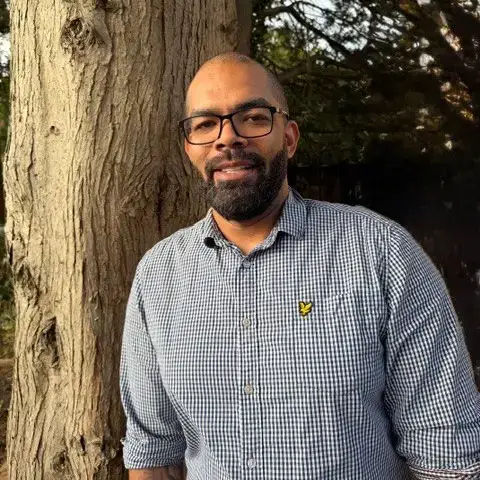
Michael Williams
If something isn’t covered below, or if you’d like to talk through any of these answers in more detail, our team is available on the phone or via LiveChat.
What is Abbington House?
Abbington House is a twenty-one bed, private residential rehab in Hertfordshire, led by a team who’ve lived through addiction themselves. We treat drug addiction, alcohol addiction, gambling addiction and dual diagnosis within a single residential stay.
What makes Abbington House different?
The team has lived through addiction themselves. The centre is small — twenty-one people maximum — so treatment stays personal, with the work shaped around the individual rather than a fixed structure. For a fuller answer, read about our treatment philosophy.
Is Abbington House suitable for neurodivergent people?
Yes. We work with people who are autistic, who have ADHD, or both, which is more common than people often realise. The team can talk through what your needs look like at admission, and treatment adapts from there. Read more about ADHD and addiction treatment and autism and addiction treatment.
Where is Abbington House located?
Abbington House is located in Stevenage, Hertfordshire, just off the A1(M). The centre is about thirty minutes from North London by train and accessible from across the South East. Most people travel by car with a family member or by train to Stevenage station. You can read more about the centre or check our areas we serve if you’re coming from outside Hertfordshire.
Who runs Abbington House and who's on the team?
Abbington House was founded by Greg Georghiou and is led day-to-day by Treatment Manager Michael Williams. The wider team includes therapists, support workers, on-site nursing staff, and a head chef, with several team members in long-term recovery themselves. Read more about the team.
Is Abbington House CQC-registered?
Yes. Abbington House is registered with the Care Quality Commission, Provider ID 1-17917671768. You can read more about care quality and regulation at Abbington House.
What does treatment at Abbington House involve?
Residential treatment lasts around 28 days as standard, though length of stay can be longer where it’s clinically useful. The work combines medically supervised detox where it’s needed, individual and group therapy, family support running alongside treatment, and a daily structure that includes meals, time outdoors and rest. The approach is trauma-informed and grounded in 12-step recovery, working with what’s underneath the substance use rather than just the substance use itself. Read more about the residential rehab programme.
Do you provide medically supervised detox?
Yes. Where stopping alcohol or drugs carries physical risk, detox is carried out on-site by our nursing staff with medical oversight throughout. Not everyone needs detox. Where it is required, the focus is on comfort and safety before therapeutic work begins. Read more about medically supervised detox.
How does therapy work?
Therapy is the core of treatment. You’ll have regular one-to-one sessions with a therapist and take part in group work across the week, focused on the patterns behind the substance use and what’s been driving them. The approach is trauma-informed and adapts to what you bring. Read more about therapy at Abbington House.
Can you treat addiction and mental health together (dual diagnosis)?
Yes. Many people who come to us are dealing with anxiety, depression, trauma, ADHD, or other mental health conditions alongside addiction. We treat them together rather than separately, because addressing one without the other rarely holds. Read more about dual diagnosis treatment.
Is Abbington House LGBTQ+ friendly?
Yes. We work with people from across the LGBTQ+ community, with treatment shaped around who you are rather than expecting you to leave any part of yourself at the door. Some of the people who’ve been through treatment here share their experience in video on the LGBTQ+ rehab page. Read more about our approach to LGBTQ+ friendly rehab.
How do I get admitted?
Admission usually begins with a phone call. The team will go through what’s been happening, what kind of treatment fits, and what the practical next steps look like. Most people are admitted within a few days of the first conversation, though urgent cases can sometimes be admitted same-day or next-day. Read more about admissions.
Do I need a referral or diagnosis?
No referral is needed, and you don’t need a formal diagnosis to start treatment. Most people self-refer directly, either for themselves or through a family member who’s making the first call. The team will assess what’s going on during the admission conversation and from there. Read more about admissions.
How long will I stay?
Treatment is built around 28 days as standard. Some people stay longer where more time feels useful or clinically appropriate, and length of stay is reviewed throughout treatment rather than decided rigidly in advance. Read more about how length of stay works.
Who will I be in treatment with?
You’ll be in treatment with up to twenty other people, from a mix of backgrounds, ages, and substances. People come for different reasons but find more in common than they expected. Read more about who you’ll be in treatment with.
Is smoking permitted?
Yes. There’s a designated outdoor smoking area, and the team will show you where it is when you arrive. Vaping is also permitted in the same space.
Can I make my loved one go to rehab?
Not really. People generally need to make the choice themselves for treatment to work, though family members can have a meaningful influence on the conditions around that choice. There’s a lot more to this question than yes or no. Read more about whether you can make your loved one go to rehab.
Is there support for me as a family member?
Yes. The 16-week family support programme runs alongside treatment, with sessions for partners, parents, adult children, and anyone close to the person in treatment. There’s also general support and resources on the help-for-families section of the site. Read more about family support.
What aftercare is included?
Everyone who completes treatment is offered one year of structured aftercare following discharge, with continued support as life outside treatment begins. Beyond that year, people have lifetime access to the Abbington Community, with events, gatherings, and ongoing connection. Read more about aftercare.
What is the Abbington Community?
The Abbington Community is the network of people who’ve been through treatment at Abbington House. There are regular events, alumni gatherings, and a quieter ongoing connection that continues beyond the formal aftercare period. Read more about the Abbington Community.
What happens if I relapse?
Relapse is part of recovery for many people, and what matters is what happens next. Coming back to Abbington House after a relapse isn’t a failure or a closed door, and the conversation about returning starts the same way it did the first time. Read more about what happens after a relapse.