


GLP-1 medications may reduce cravings, but do they miss the point of recovery? Michael Williams, Treatment Manager at Abbington House, explores what the research really means for addiction treatment.
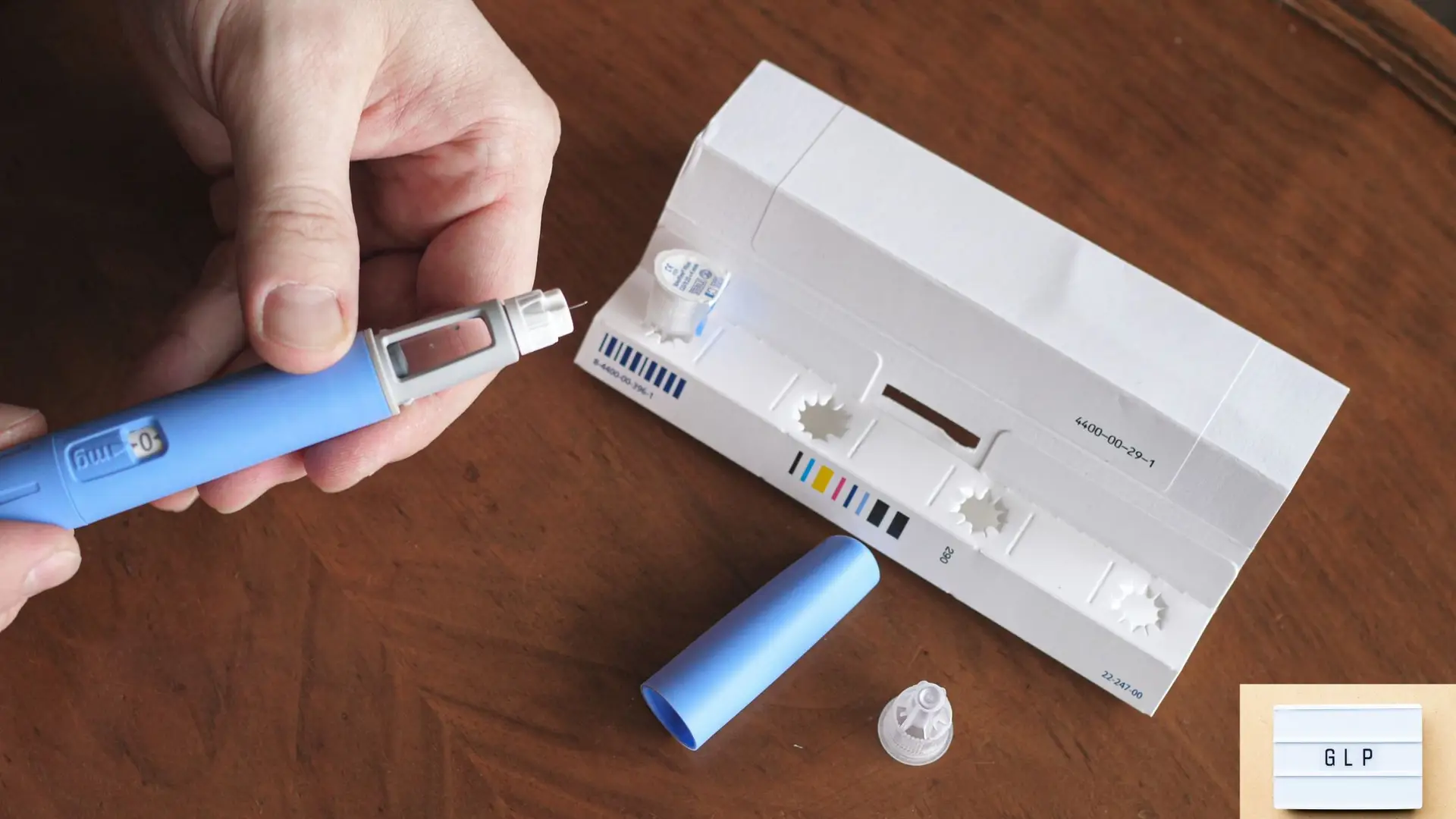
GLP-1 medications may reduce cravings. But for most people, cravings are only one part of why addiction takes hold and removing them is rarely enough on its own.
That distinction matters. The conversation around GLP-1 receptor agonists and addiction is moving quickly, and like many conversations that move quickly, it risks outpacing the evidence.
What the Research Actually Shows
Medications known as GLP-1 receptor agonist, including Semaglutide, widely recognised through brand names like Ozempic and Wegovy, were originally developed to treat type 2 diabetes and obesity.
They work by mimicking a hormone that regulates appetite and blood sugar, slowing stomach emptying and increasing feelings of fullness.
Because these medications also influence the brain’s reward and motivation systems, researchers have begun exploring whether they might reduce cravings for alcohol, nicotine and other substances.
Early studies and anecdotal reports are cautiously interesting. Some people taking GLP-1 medications report reduced interest in alcohol, fewer compulsive urges, or a general quietening of the impulse to use.
This has led some commentators to suggest that GLP-1 drugs could represent the future of addiction treatment.
That framing deserves some scrutiny.
Why Cravings Are Only One Part of the Picture
Anyone who has worked in addiction treatment — or lived through it — knows that cravings are real and can be overwhelming. But they are rarely the whole story.
For most people, substance use develops in the context of something deeper. Alcohol or drugs often begin as a way of managing what feels unmanageable — stress that has nowhere to go, grief that hasn’t been processed, anxiety that makes ordinary life feel impossible, or a persistent internal tension that substances temporarily relieve.
Over time, those patterns become ingrained. The substance becomes bound up with how someone regulates their emotions, manages relationships and moves through the day.
It stops being a choice in any meaningful sense and becomes a coping structure — one that is very difficult to dismantle simply by reducing the urge to use.
This is why so many people who stop drinking or using drugs without support eventually find themselves returning to the same patterns later.
The substance has gone. The reasons it was there have not.
The Difference Between Stopping and Recovering
Reducing cravings may make it easier to stop using a substance. For some people, particularly those in the earlier stages of problematic use, that alone could be a meaningful step forward.
But stopping and recovering are not the same thing.
Recovery usually involves learning new ways to manage emotions that substances once handled. It involves understanding the specific patterns that drove use in the first place and rebuilding the parts of life that addiction gradually eroded relationships, self-trust, physical health and a sense of direction.
These are not things a medication can provide.
They require time, therapeutic work and often the kind of structured support that allows someone to step away from their usual environment and focus fully on getting well.
Where GLP-1 Medications Might Genuinely Help
None of this is an argument against GLP-1 medications. Addiction medicine already uses several medications to support recovery in specific situations, particularly where physical dependence makes stopping dangerous without medical supervision.
If future research confirms that GLP-1 drugs can safely and reliably reduce cravings for alcohol or other substances, they may become another useful tool for certain people at certain stages of recovery.
Used well, they could potentially create a window of stability, a moment of quiet where someone is better able to engage with the deeper work that lasting recovery requires.
That would be genuinely valuable.
But it is a supporting role, not a solution.
A More Grounded View
Addiction is rarely caused by a single factor. It is unlikely that any single treatment whether a medication, a therapy or a programme, will solve it entirely for everyone.
What tends to work is a combination: medical care where it is needed, consistent therapeutic support, and an environment that gives people the time and space to understand themselves differently.
New research into GLP-1 medications is worth following carefully.
But for now, the evidence suggests they are more likely to become one tool among many than a fundamental shift in how addiction is treated.
What This Means in Practice
At Abbington House, treatment focuses on helping people understand the patterns behind substance use — not simply stopping the substance itself.
That means addressing the emotional and psychological factors that allowed addiction to take hold, developing healthier ways of managing what substances were once used to manage, and building the kind of foundation that supports recovery long after treatment ends.
Reducing cravings can help. Medication can play a role.
But lasting recovery usually involves learning how to live differently once substances are no longer there and that is work no medication can do alone.
Michael Williams is Treatment Manager at Abbington House, a private residential rehab in Hertfordshire supporting people affected by drug and alcohol addiction.
If you have questions about treatment or would like to speak with a member of the team, you can reach us at 01438 583222.