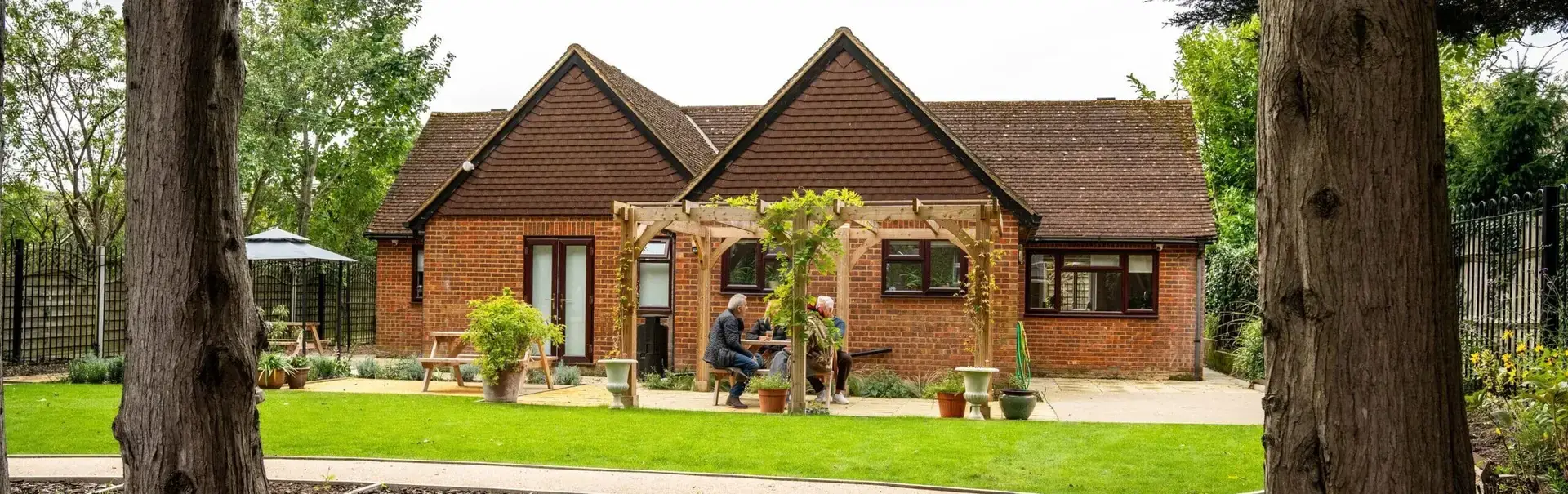
Therapy is central to residential rehab at Abbington House. It runs throughout the week and is integrated into daily life inside the house.
This page explains how therapy works here, what approaches we use and what you can expect during your stay.
Individual Therapy

Individual Therapy
Sessions focus on:
- Identifying the patterns behind substance use
- Understanding emotional triggers
- Looking at stress, trauma or unresolved experiences
- Challenging distorted thinking
- Developing practical coping strategies.
Group Therapy
Group therapy takes place several times a week.
This is where isolation starts to break down. People recognise their own thinking in someone else’s words. Defences soften as people start to realise that this is a shared experience in many ways.
Groups focus on:
- Honest discussion
- Accountability
- Emotional awareness
- Communication
- Shared problem-solving
- 12-step work.
Abbington House follows a 12 Step structure.
The Steps provide a framework for honesty, responsibility and change. They are introduced gradually and supported consistently.
Clients are encouraged to engage with the process at a steady pace. The aim is long-term stability, not short-term intensity.
Emotional Regulation

Emotional Regulation
This work involves:
- Recognising early warning signs
- Managing cravings and urges
- Slowing reactive thinking
- Grounding techniques
- Practical coping tools.
Therapy at Abbington House isn’t limited to talking in a room. Alongside structured clinical work, clients take part in holistic sessions that support physical and emotional regulation.
These may include:
- Sound Therapy
- Breathwork
- Guided mindfulness
- Movement
- Yoga
- Art therapy.
These sessions are built into the weekly structure of residential treatment.
For many clients, this work helps reduce anxiety, improve sleep and create enough steadiness to engage more fully in therapy.
Holistic sessions support the clinical work rather than replace it.
(You can read more about this on our Holistic Therapies page)
Trauma-Informed Approach

Trauma-Informed Approach
A trauma-informed approach at Abbington House means:
- No confrontation for effect
- No shaming language
- No forced disclosure
- Clear therapeutic boundaries
- Emotional pacing.
Trust is built gradually and stability comes before depth.
Therapy Within a Residential Setting
One of the key differences with residential rehab is continuity.
If a session brings something difficult to the surface, clients are not sent home to sit with it alone. Support is available throughout the day. Staff know each client personally and conversations continue naturally.
Consistency reduces anxiety, but predictability builds safety. That steady environment allows therapy to go deeper than it often can in outpatient settings.
Family Involvement
Where appropriate, families can be involved during treatment, we provide a 16-week programme for loved ones which covers:
- Boundary work
- Addressing enabling patterns
- Rebuilding communication.
(Full details are available on our Family Support page)
Ongoing Support After Residential Treatment

Ongoing Support After Residential Treatment
Why Therapy at Abbington House Feels Different
- Small residential setting
- High staff-to-client ratio
- Consistent therapeutic team
- Lived experience within staff
- Direct but steady delivery
- Clients are not managed. They are worked with.
Progress is built week by week, not forced in moments.